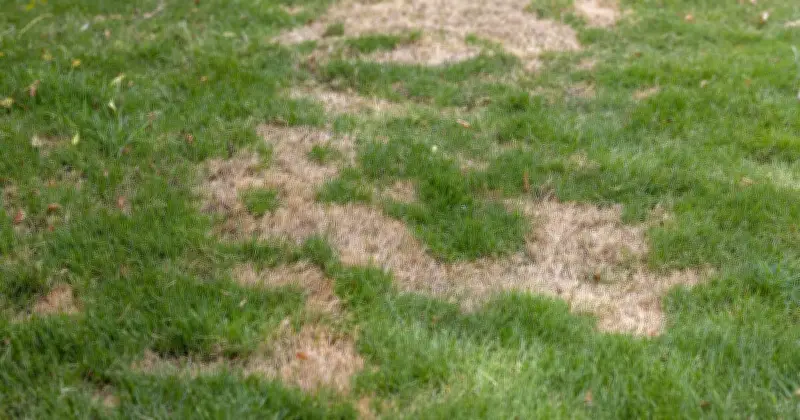
Homeowners looking to revive a patchy, tired-looking lawn may be overlooking one of the simplest and most effective gardening techniques available, according to lawn care experts. Rather than relying solely on fertilisers or increased watering, specialists say scattering fresh grass seed over existing turf, a process known as "overseeding", can dramatically improve the appearance and health of a lawn.
The technique is widely used by professional groundskeepers and greenkeepers responsible for maintaining sports pitches, golf courses and other high-quality turf surfaces. Experts say it can help fill bare patches, thicken thin areas and create a denser, greener lawn.
Geoff Hodge, gardening specialist for Richard Jackson Garden, describes overseeding as a "secret weapon" for achieving healthier grass. "Overseeding is the secret weapon," Hodge explained. "It fills in the gaps, thickens the sward, and helps crowd out weeds and moss."

The process is relatively straightforward. Gardeners simply scatter grass seed across their existing lawn at a recommended rate of between 15g and 25g per square metre. The seed should then be lightly worked into the soil using the back of a rake or a similar tool to ensure good contact with the ground.
Once applied, the area should be watered thoroughly and kept moist while the new grass establishes itself. Experts say overseeding works because it replenishes areas where grass has become sparse due to age, foot traffic, poor weather or soil compaction. By introducing fresh seed, homeowners can encourage denser growth and stronger root systems, resulting in a more uniform and resilient lawn.
The method is particularly beneficial for older lawns that have become thin or uneven over time. As new grass plants establish themselves, they can help reduce the space available for weeds and moss to take hold.
According to gardening specialists, the best time to overseed is during spring or early autumn, when soil temperatures are warm enough for germination and moisture levels are typically higher. While results can vary depending on weather conditions and lawn health, many gardeners begin to notice improvements within a matter of weeks.
Combined with regular mowing, watering and seasonal feeding, overseeding is considered one of the most effective ways to restore a lawn without the expense of completely replacing it. For homeowners frustrated by bare spots and lacklustre grass, experts say a simple bag of grass seed could be the key to transforming a struggling lawn into a lush, green centrepiece for the garden.