Gardeners are being urged to rip open their teabags before placing them in compost heaps this July, as many popular brands contain plastic that prevents proper breakdown. Composting kitchen scraps like potato peels, carrot offcuts, and banana peels into nutrient-rich soil is a year-round benefit for gardens, boosting plant growth and leading to stronger fruits, vegetables, and flowers.
Why Teabags Must Be Torn Open
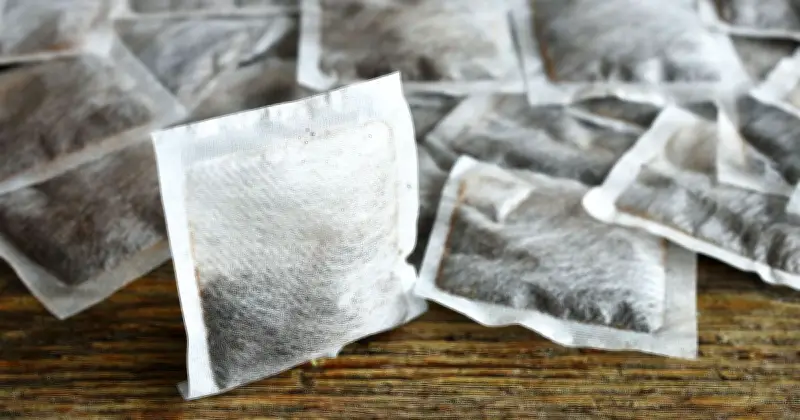
Many top-branded teabags contain polypropylene, a plastic used to heat-seal the edges and prevent disintegration in hot water. According to consumer advice magazine Which?, this plastic prevents composting and, given the enormous number of teabags used in the UK, generates significant plastic waste. Even plant-based teabags, such as those from Yorkshire Tea, should be cut open, with the bag disposed of separately.
Yorkshire Tea states: "PLA tea bags are sometimes called 'plastic free', but we’ve never used that label and WRAP, the people behind the UK Plastics Pact, also advise against it because plant-based plastics are still plastics. You can snip open your used tea bags, compost the tea inside at home, and put the bag itself in your refuse bin. If you don’t want to do that, the alternative is to put your tea bag in your refuse bin."
Proper Composting Technique
To avoid contaminating compost with plastic residue and chemicals, gardeners should tear open teabags and pour the raw tea leaves directly onto the heap. The empty bag should then be placed in the general waste bin. The UK Tea & Infusions Association advises: "Rip open the bags before placing the used tea leaves on your compost heap and dispose of the teabag paper separately in your bin where it will go into landfill."
Composting can start simply with a plastic bin or an old bin with a lid and air holes, allowing bacteria to break down organic matter. More sophisticated options include wooden composters and multi-opening 'hot bins', but a budget-friendly container works effectively.