
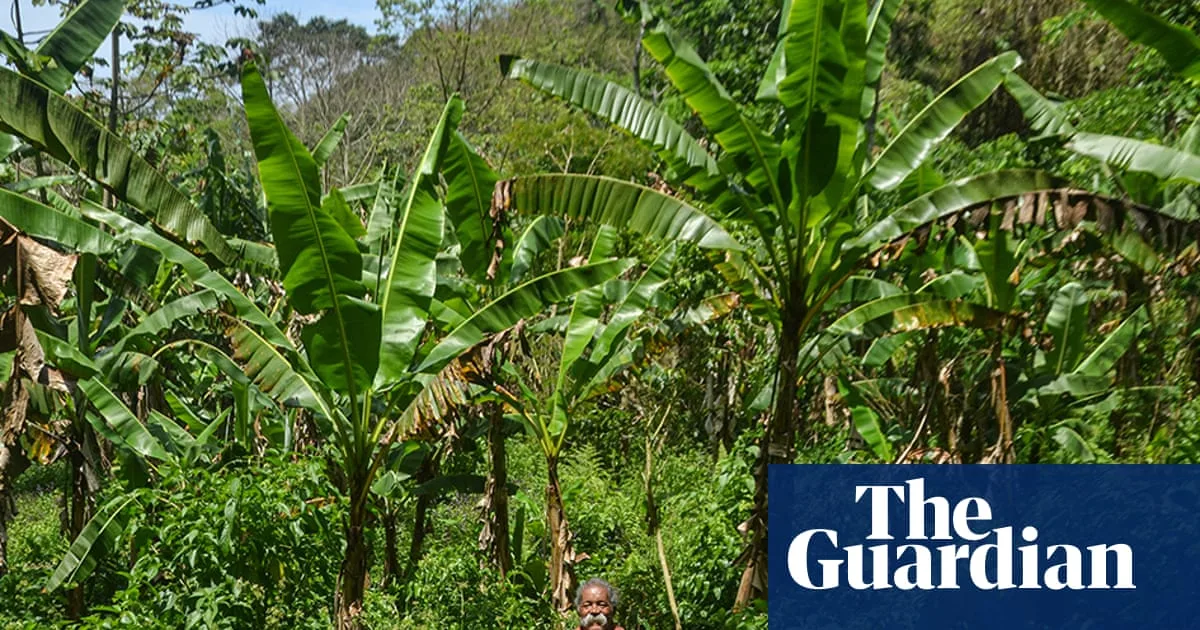
In Rio de Janeiro's Pedra Branca state park, traditional banana growers are using agroforestry to preserve the world's largest urban forest. Quilombola brothers Jorge and Ubirajara Cardia harvest bananas by hand, following methods passed down through generations. They travel 5km along ancient paths to bring their crop to market.
The banana groves, cultivated by quilombola communities and traditional farmers, are part of the park's conservation area. The crop provides food and financial security while helping to restore biodiversity. Jorge Cardia explains that agroforestry requires less work, as nature does most of the work after pruning.
Bananas were introduced to Brazil by Portuguese colonisers in the 16th century. At Pedra Branca, they grow among native and foreign tree species, creating a diverse landscape. Sarah Rubia Nunes, who manages AgroVargem, says agroecology is a way of life that chooses to live in harmony with the forest.
When the park was created in 1974, authorities banned farming and exotic species, including bananas. Farmers were to be relocated, but they stayed and adapted. Over time, the ecosystem adjusted, and agroforestry systems emerged. Professor Annelise Fernandez says parks are often created unilaterally, causing conflict, and that reconciling land rights with conservation is more effective.




