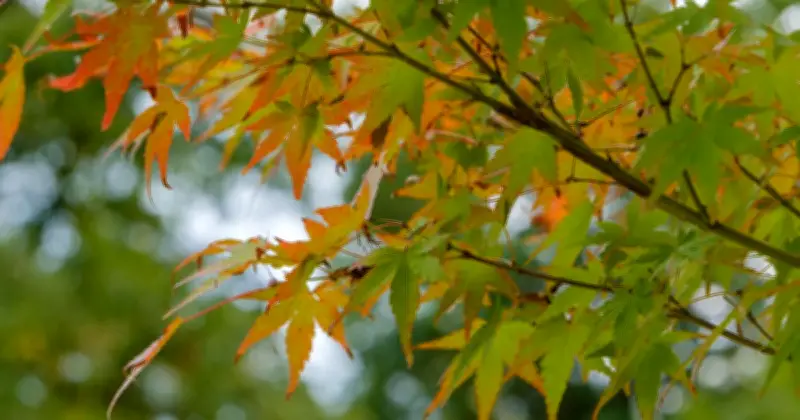
Japanese maples risk shedding their leaves prematurely this month without proper care, which means their rich autumn colours never appear. The Royal Horticultural Society (RHS) recommends keeping moisture steady at this time of year to protect the trees.
These sensitive trees have shallow root networks that struggle to hold on to moisture. In direct sunlight, the earth surrounding them dries rapidly, making foliage susceptible to sun damage. Neglect could lead to leaves drooping, browning, and dropping, leaving the tree leafless during summer.
Mulching technique recommended
The RHS advises planting Japanese maples "in moisture-retentive but well-drained soil" and avoiding "planting in wet soils or on sites that are prone to drying out." The technique of mulching—distributing organic matter across the upper layer of a plant's earth—feeds the tree and, during hotter spells, functions as a water reservoir.

The RHS also recommends keeping new specimens and container-grown plants well watered, and mulching around the base of trees growing in the ground with organic matter such as garden compost. It said: "Make sure the mulch is kept away from the trunk of the plant. Mulch the surface of the compost in containers with gravel or slate, again to retain moisture."
Feeding and frost advice
The RHS warned gardeners that this is the last couple of months to mulch, as any feed should be stopped after November. It said: "Don't feed too early or too late in the season (don't feed between November and March). Avoid over application of high nitrogen fertilisers."
Retained moisture from mulch in late summer and early autumn slowly penetrates the soil, keeping Japanese maples hydrated and robust, enabling them to display their scarlet foliage all summer long. Mulching also protects foliage from scorching, keeps weeds at bay, and pushes new growth while the tree prepares to shed.
For cold snaps, the RHS advised: "If frost is forecast when the leaves are newly emerged, move container plants to a sheltered spot or frost-free area and cover plants in the ground with a double layer of fleece. In very windy weather, a temporary windbreak is a worthwhile – formed by stretching a screen of wind-reduction netting between canes."
Mulches that hold significant moisture while remaining lightweight are generally most appropriate for Japanese maples, such as pine bark, wood chips, garden compost or leaf mould. With correct watering and attention, Japanese maples should retain their striking red foliage into September, enabling a flourishing garden ready for another full flush of colour next year.