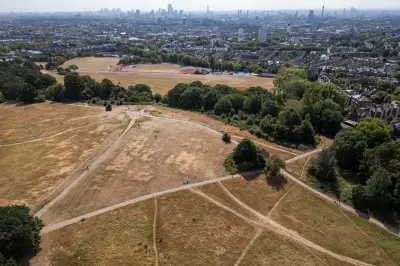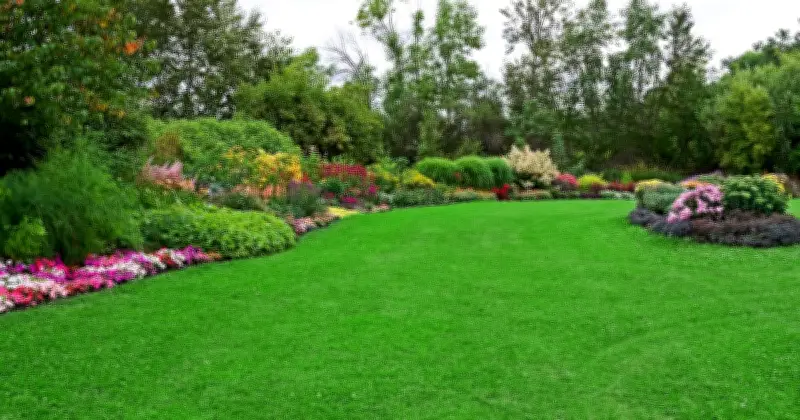
With the UK enduring exceptionally high temperatures over the past two months and drought declared in two-thirds of England and all of Wales, lawns and gardens are in their roughest condition in years. Many verdant lawns across the country have turned a yellow-brown lifeless colour, and gardeners are seeking ways to restore them.
The first step is determining whether a brown lawn is actually dead or merely dormant. DIY Garden explains: “Depending on your grass type and the severity of the drought, much of that brown lawn may be dormant rather than dead. Dormancy is a survival mechanism that allows established turfgrass to conserve resources during prolonged heat and water stress.”
Signs of recovery in brown grass
It is important not to panic and invest in costly rescue measures at the first signs of yellow and brown grass. Gardening specialists advise: “The key is helping the lawn recover without creating additional stress. Give the lawn time to respond. Don’t expect a brown lawn to turn emerald green overnight. Rain has to soak into the soil, surviving grass plants need to resume active growth, and new green tissue has to emerge.”

Depending on the grass species, temperature, drought severity, and soil moisture, visible recovery may take days or longer. If tiny green blades appear among the brown ones, or if straw-coloured patches develop a faint green haze, the lawn is moving in the right direction.
How to perform the screwdriver test
Dry, uncompacted soil makes it harder for grass to bounce back. An easy way to check for dryness, compaction, and overall moisture is the ‘screwdriver test’, an alternative for those without specialised lawn equipment.
The gardening specialists suggest: “Take a long screwdriver. Push it carefully into several areas of the lawn. It should penetrate reasonably easily through moist, uncompacted soil. If you can barely push it into certain areas while other sections are easy, those hard spots may be dry or compacted. If only the very top is moist while the soil underneath remains dry, the lawn hasn’t received the deep rehydration you might assume [from rainfall]. This isn’t a laboratory soil test, but it’s a useful quick comparison across your yard.”
Why aeration matters and how to do it
Experts at Greener explain: “Aeration physically removes or displaces small plugs of soil from the lawn. This instantly creates channels that allow oxygen, moisture and nutrients to penetrate deeper into the ground. These holes also give roots room to expand and encourage beneficial organisms to move through the soil. Over time, the surrounding soil naturally collapses into the spaces, loosening the structure and improving overall texture.” Aeration gives grass better drainage, stronger roots, more efficient feeding, and a lawn that responds faster to treatment and care.
According to Martha Stewart, the ideal time to aerate is when grass is actively growing, so holes can be filled with new growth. Greg Niewold, owner of Power Planter, says: “Aeration is best in early fall or spring if you live in the north. If you live in the south, the timing is more flexible, with the best timing during late spring or early summer. To reap the benefits of lawn aeration — and make it less laborious — wait for a day or two after heavy rainfall. If the ground is too wet, it'll be too muddy and messy. If it's too dry, it won't hold moisture well.”
Spike aerators, slice aerators, and core aerators are popular methods for aerating dry compacted lawns. According to B&Q, the choice depends on lawn size: “If you’ve got a particularly large garden, an electric aerator will let you cover a lot of ground in a short amount of time. However, you will need somewhere to store the machine and it might need regular maintenance. If you’ve got a small garden, we recommend using a manual aerator such as a hollow tine aerator or garden fork.”

For those using a garden fork, manual spike aerator, or hollow tine aerator, the experts recommend: “Cover the entire surface area with holes that are around five inches deep and leave a six inch gap between sections.” DIY Garden cautions: “Core aeration removes small plugs of soil, helping relieve compaction and improving movement of air and water into the root zone. But timing matters. Don’t run heavy aeration equipment over saturated soil and don’t automatically aerate simply because the lawn is brown.” Aeration is most useful when compaction is genuinely present and grass is entering an active growth period. The experts say: “Diagnose compaction first and aerate during the appropriate season for your turf.”