
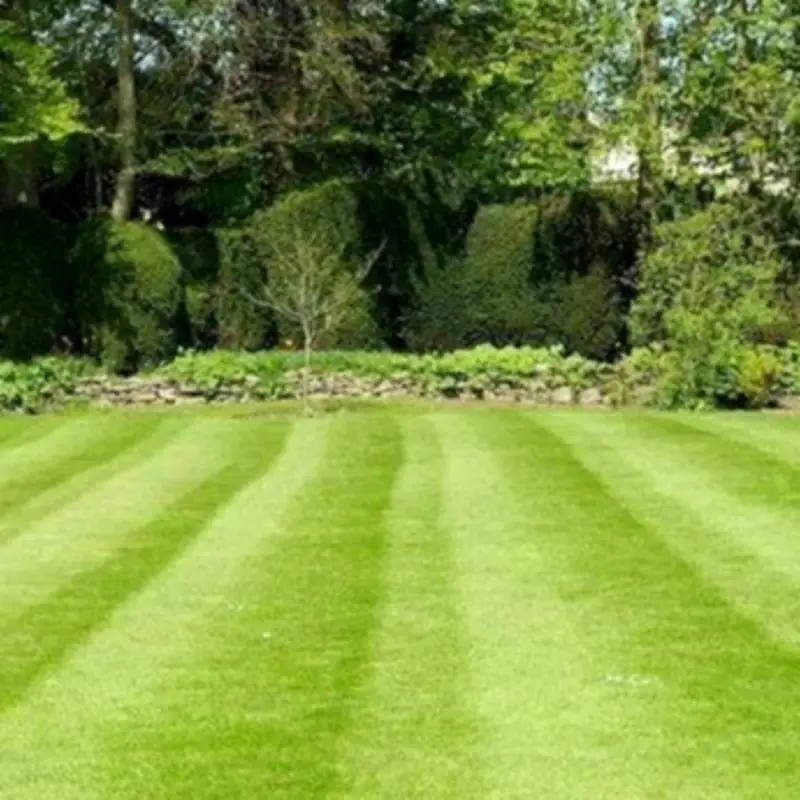
Gardeners aiming for a perfectly lush and green lawn this summer are being advised to scatter a common household ingredient across their gardens this June. This kitchen staple could transform your garden, offering a cost-effective solution to patchy, yellowing grass.
Why Sugar Works Wonders on Lawns
Creating a summer-ready garden can be both costly and labour-intensive, with many people spending hundreds of pounds on expensive fertilisers and weed control products. Fortunately, using this everyday kitchen item, gardeners can achieve a flourishing lawn for a fraction of the typical expense.
As summer is now well underway, gardens across the UK are preparing for plenty of sunshine in the months ahead. This is why horticultural experts are recommending that gardeners sprinkle sugar on their lawns to create a vibrant and healthy outdoor space.
Sugar possesses the ability to completely rejuvenate a yellowing or patchy lawn, transforming it into thick, verdant grass - perfect timing for the height of summer.
The Science Behind Sugar Application
Garden specialists have outlined the science behind applying this kitchen staple to lawns. Sugar distributed across gardens can break down thatch - the compacted layer of dead organic material that builds up and prevents grass from thriving. Sugar also enhances the existing nutrients in your turf and helps suppress unwanted weeds, reports the Express.
In essence, a bag of ordinary white granulated sugar serves as an all-in-one miracle solution for a struggling lawn. Best of all, it is extremely budget-friendly. Leading UK supermarkets including Tesco, Sainsbury's, Asda, and Aldi are currently selling 1kg bags of granulated white sugar for £1.09.
The ideal sugar-to-lawn ratio is approximately 450g per 10 square feet, with experts advising the use of standard white granulated or powdered sugar. For best results, specialists suggest applying it with a lawn spreader during the early morning hours when the grass is dry.
Expert Opinions on Sugar as a Lawn Treatment
Lindsey Hyland, founder of Urban Organic Yield, says: "Weeds tend to thrive in environments with access to sunlight and moisture, and by using sugar on your lawn, you can make it less hospitable for these weeds. Sugar will help break down thatch, the layer of dead grass, and other organic material that can accumulate on your lawn over time. This thatch can make it difficult for new grass to grow, but using sugar on your lawn can help break it down and improve the health of your lawn."
Gardening Know How advises gardeners to proceed with care, suggesting sugar should only be applied once per season (excluding winter) for a maximum of three applications annually.
Rachel Crow, a gardening specialist with Homes & Gardens, notes: "Sugar has its advantages, but we urge you to tread carefully, especially if your land is prone to fungal growth. However, when used in moderation, this ingredient can promote a greener lawn for the summer ahead."
Bill Glaser, owner of Outstanding Foods, supports this unconventional method while also warning against excessive or frequent use, advocating for a measured application instead. He explains: "[Sugar] allows the grass to overtake invasive plant species. Only use a sugar solution about once a month; some sources suggest replacing harsh fertilisers with rice water for more consistent application."
Tom Monson of Monson Lawn & Landscaping notes that sugar can strengthen the root systems of lawn grass, though he cautions against encouraging fungal development, particularly in gardens that receive limited direct sunlight. He says: "Sugar causes the grass's roots to intake more nitrogen from the soil, which can boost your lawn's greenness. Sugar also promotes fungal growth, so you will want to inspect your lawn and ensure you do not have excess fungal growth."
Tom also highlighted that while sugar is not a conventional fertiliser, it functions as a carbon source that benefits lawns by absorbing surplus nitrogen and enhancing soil equilibrium.
Weed Suppression Benefits
Lindsey went on to outline the primary benefit of applying sugar to your garden - combating weeds. She said: "Weeds tend to thrive in environments with access to sunlight and moisture, and by using sugar on your lawn, you can make it less hospitable for these weeds."
Bill supported the assertion that sugar serves as an effective weed deterrent, clarifying that although the household ingredient does not directly eliminate weeds, it substantially stimulates microbial activity, which enriches the soil and enables your garden to outcompete unwanted vegetation. He went on to say: "This allows the grass to overtake invasive plant species."




