After a summer of intense heatwaves, a gardening column is championing resilient, low-maintenance edible crops to future-proof vegetable patches. The piece highlights options like kale, hostas, and stonecrop (sedum) as hardy choices that can withstand changing climate conditions.
Hardy and edible options
The column notes that many plants people are concerned about the impact of the changing climate on gardens. It points to parched grasslands and withering plants as evidence of the need for more resilient approaches.
Among the lesser-known edible plants, stonecrop (also known as sedum) is highlighted. Its succulent leaves can be picked as needed and have a mild taste, making them ideal for salads. The plants are easily grown from seed and self-seed readily, sometimes even in gravel. Leaf cuttings also take readily.
Hostas and perennial kale
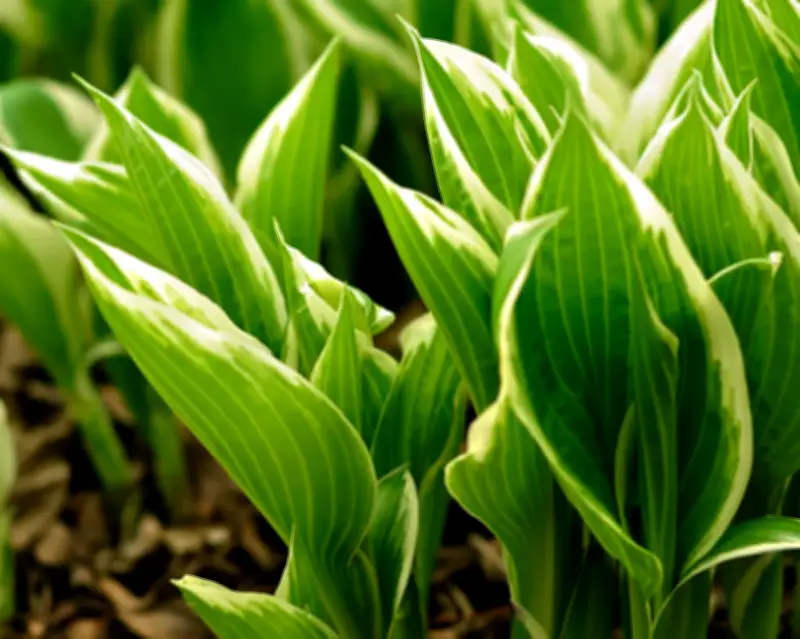
Hostas, typically seen as ornamental plants for shady borders, are also edible. New shoots that emerge in spring can be sauteed like spring greens, and made more delicious with a dash of soy sauce. If you beat slugs and snails to their leaves, they can be thinly sliced and added to salads.
Perennial kale is another recommended crop, needing the same kind of care as other brassicas – protection from cabbage whites and pigeons, and support when mature – but nothing more. The variety 'Nine Star' is described as a perennial brassica with florets that taste like a cross between broccoli and cauliflower, and is similarly resilient.
Planning for resilience
The column concludes by suggesting making space for more water butts, considering what seeds may not be sown next season, and making plans to add more resilient crops.