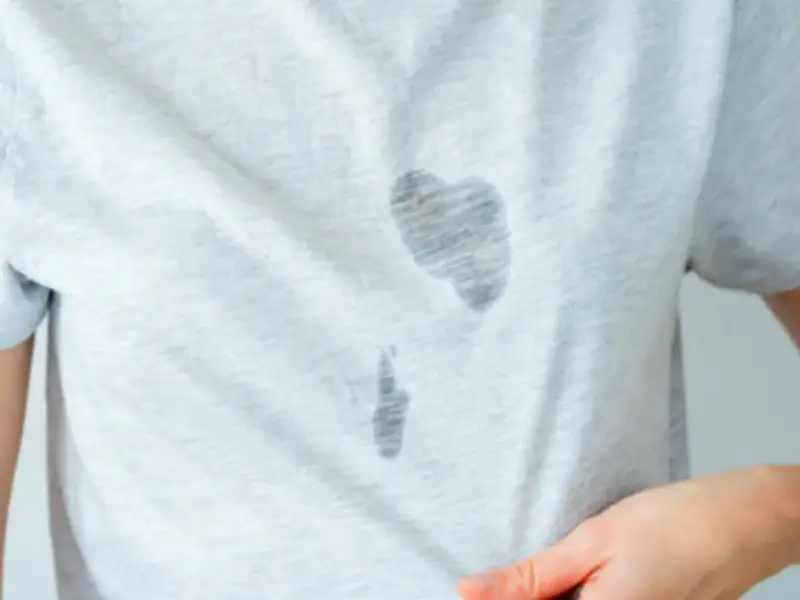
A cleaning enthusiast has shared a simple method for removing stubborn oil stains from clothes using just two common household items, eliminating the need for harsh chemicals.
Oil-based stains are notoriously difficult to shift because oil repels water and is not water-soluble, meaning water-based cleaning products cannot break it down and wash it away. Cleaning enthusiast and TikTok creator Chantel recently shared a host of cleaning and household tips, including advice on tackling these tough marks.
The two-ingredient spot treatment
Chantel recommends covering the oil stain with a small amount of washing-up liquid, then dusting the garment generously with baking soda. These two ingredients can either be combined into a paste before being applied, or used one after the other directly on the stain.
To ensure the mixture penetrates the fabric rather than simply sitting on the surface, work the solution into the stain using a small bristled brush, such as a toothbrush. Leave it for 15 minutes to allow the solution to soak into the stain and draw out the excess oil, then wash the garment on its normal cycle.
Why baking soda and washing-up liquid work
This method is particularly effective at tackling tough stains such as oil, as baking soda acts as an absorbent. When applied to oil stains, it soaks up the oil and draws it out of the fabric. By combining washing-up liquid and baking soda, you benefit from both absorbing the grease and cutting through it. Washing-up liquid helps to break down stubborn oil stains, loosening them prior to washing.
If the baking soda clumps together, there is no need to worry, as this simply means it is working as it should. Not only will it help to lift the stain, but baking soda is also an excellent deodoriser.
Precautions for dark and delicate fabrics
Appliance manufacturer Bosch explained that when tackling oil-based stains, it is crucial to keep the fabric dry and avoid rinsing wherever possible. Bosch stated: "Rinsing is one of the worst things you can do to an oil stain since oil repels water and will cling onto fibres when rinsed."
Before attempting to tackle the stain with baking soda, Bosch recommended blotting it with a clean, dry paper towel. It said: "Before applying anything, blot out as much oil as you can with some kitchen roll or an absorbent cloth. Remember, don't rub, dab."
Exercise caution when applying this spot treatment to dark or coloured clothing, as baking soda has the potential to cause the material to fade. This can occur when baking soda is applied to delicate fabrics or garments with pH-sensitive dyes. Its high pH level can harm protein-based fibres such as wool, cashmere and silk, and may also cause certain dyes to lose their colour. While baking soda is not a bleach, it can produce a bleaching effect on coloured fabrics, potentially resulting in unwanted discolouration.