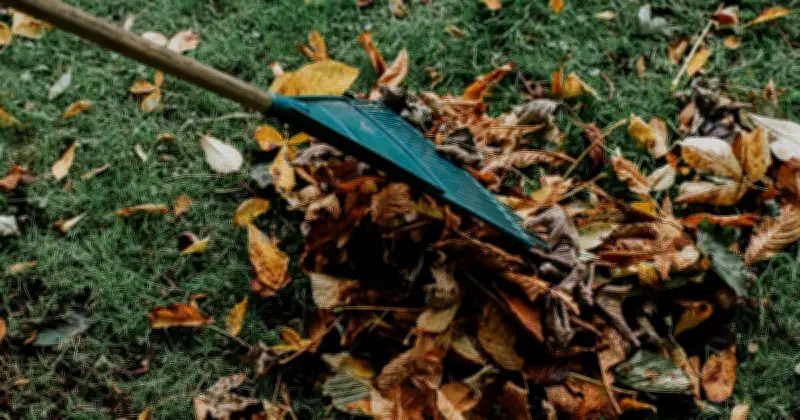
Gardeners who rake fallen leaves regularly in September can keep their lawns healthy through autumn and winter, according to lawn expert Craig Wilson, co-founder and in-house gardening expert at Gardeners Dream.
Wilson says gardeners should start monitoring fallen leaves closely and rake them away consistently once they begin to accumulate on the grass. The Royal Horticultural Society (RHS) likewise advises clearing fallen leaves from lawns, as they can obstruct light and moisture from penetrating the grass.
Why September raking matters
The RHS autumn lawn guidance states that September and October are critical months for providing lawns with additional attention before winter. Wilson said: "For your lawn to remain healthy throughout autumn and winter, it needs to be able to breathe properly, as well as take in enough water, oxygen and sunlight."

He urges gardeners to rake leaves away immediately once they begin dropping rather than permitting them to create a dense layer. Wet leaves can prove especially problematic, as they can rest heavily on the grass for extended durations.
Broader autumn lawn care
Regular raking also constitutes part of broader autumn lawn upkeep. The RHS states that a spring-tined rake can be employed to extract loose debris and thatch, while scarifying can enhance air circulation between grass plants.
Wilson cautions that thick layers of sodden leaves can create ideal conditions for pests. He warns these can wreak havoc by spreading disease and potentially leaving brown patches requiring attention once spring arrives.
Practical tips for gardeners
Gardeners need not wait until vast quantities of leaves have built up before reaching for the rake. Clearing smaller amounts on a regular basis can make the task more manageable and prevent a heavy layer from taking hold across the lawn.
The RHS notes that autumn is also an opportune moment to assess any damage sustained during summer. Where required, gardeners can tackle bare or damaged patches, while autumn lawn care can aid grass recovery and bolster its resilience ahead of the coming year.
It advises carrying out scarifying and other upkeep when conditions are appropriate, steering clear of periods when the soil is waterlogged or the weather is particularly wet, dry or frosty. It also suggests that September and October are generally the most favourable months for autumn lawn maintenance.
So as September arrives, gardeners need not follow an elaborate routine to make a start. Staying on top of fallen leaves with a regular rake is a straightforward first step that can help stop lawns from being suffocated as autumn truly takes hold.