
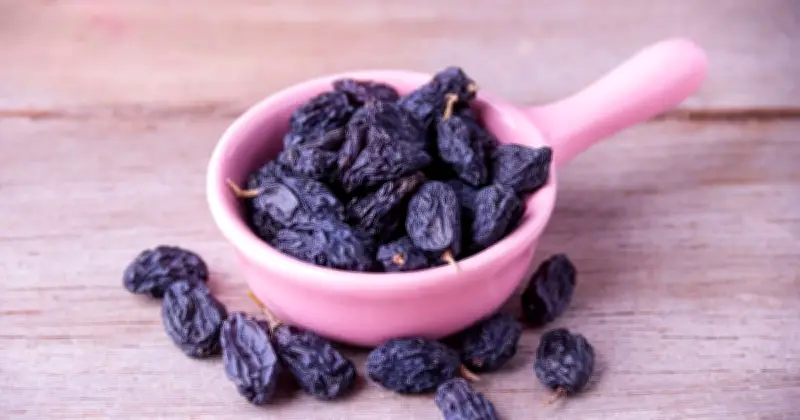
Raisins, sultanas and currants are all types of dried fruit. But they each have their own characteristics and differences. Understanding these can help you choose the right one for recipes, snacking, and baking, where texture and sweetness are key.
What Are Raisins?
Raisins are dried grapes made from larger, darker grape varieties. They are usually dried naturally in the sun or through controlled dehydration. The drying process concentrates the sugar content, giving raisins a dark, deep colour, a chewy texture, and a slightly caramel-like flavour. Because of their strong flavour and firmer texture, raisins are often used in baking, on cereals, in flapjacks, and even in savoury dishes like tagines or rice pilaf.
What Are Sultanas?
Sultanas are also dried grapes, but they come from green, seedless grapes. They are often treated with an oil-based solution before drying to speed up the process and retain a lighter colour and juiciness. Sultanas are typically smaller than raisins, sweeter, juicier, and lighter in colour. They are commonly used in cakes, scones, hot cross buns, and fruit breads.
Where Do Currants Fit In?
Currants are another type of dried fruit, made from small, seedless Black Corinth grapes. They are much smaller than raisins and sultanas, with a tangier and more intense flavour. This makes them ideal for Christmas pudding and fruit cakes.
Each type of dried fruit has its own unique qualities, so choosing the right one can enhance your culinary creations.




