
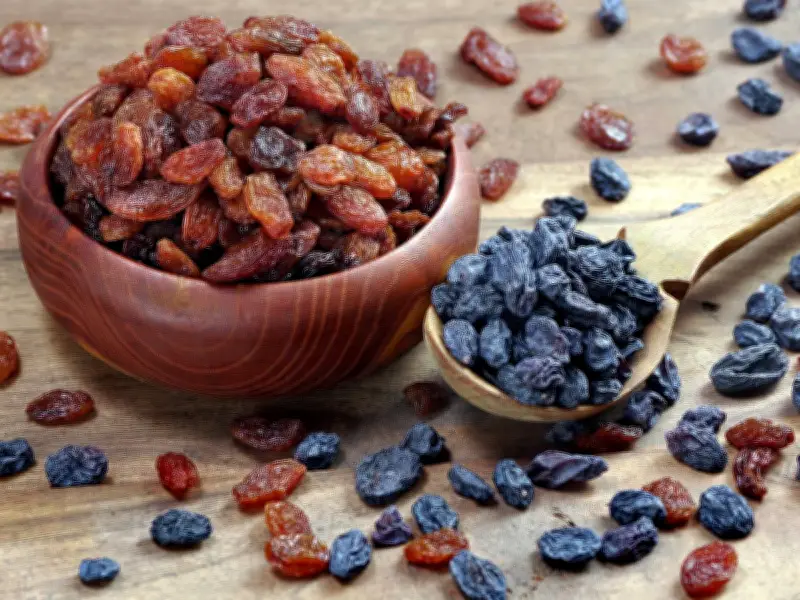
When it comes to dried fruit, there's a vast array of choices available. Whether you're incorporating them into cooking, baking, or simply enjoying them as a snack, it can be tempting to just pick up whatever's on the supermarket shelf without giving it much thought.
Yet there are several varieties on offer, including raisins, sultanas and even currants.
Although they appear fairly similar, each has slightly distinct characteristics, flavours, and uses in cooking and baking. Understanding the difference between raisins and sultanas, in particular, can help you select the right one for recipes, snacking, and even baking, where texture and sweetness are absolutely crucial.
What Are Raisins?
Raisins are dried grapes, produced from larger, darker grape varieties. They are typically dried naturally in the sun or through a controlled dehydration process. They are grown and consumed across the globe, with the drying method influencing the shape, size, colour and flavour of the raisin. Raisins don't actually taste like fresh grapes, because the drying process concentrates the sugar content within the fruit.
Key features of a raisin include a deep, dark colour, a chewy consistency and a subtly caramel-like taste. Owing to their robust flavour and firmer texture, raisins are frequently used in baking, on cereals and in flapjacks. They can also work well in savoury dishes such as tagines or rice pilaf.
What Are Sultanas?
Sultanas are likewise dried grapes; they originate from green, seedless grapes and are processed somewhat differently during the drying process. They tend to dry more rapidly and are occasionally treated to preserve their paler colour and moisture. Unlike raisins, sultanas are generally coated in an oil-based solution before drying to accelerate the process.
For this reason, they are frequently lighter in colour than both raisins and currants. They are typically smaller than raisins and are sweeter, juicier and lighter in appearance. Consequently, they're commonly used in cakes, scones, hot cross buns and fruit breads.
So Where Do Currants Come In?
While frequently mentioned alongside raisins and sultanas, currants are another variety of dried fruit, produced from small, seedless Black Corinth grapes. They are considerably smaller than raisins and sultanas and carry a sharper, more intense flavour. This renders them particularly well-suited for Christmas pudding and fruit cakes.




