
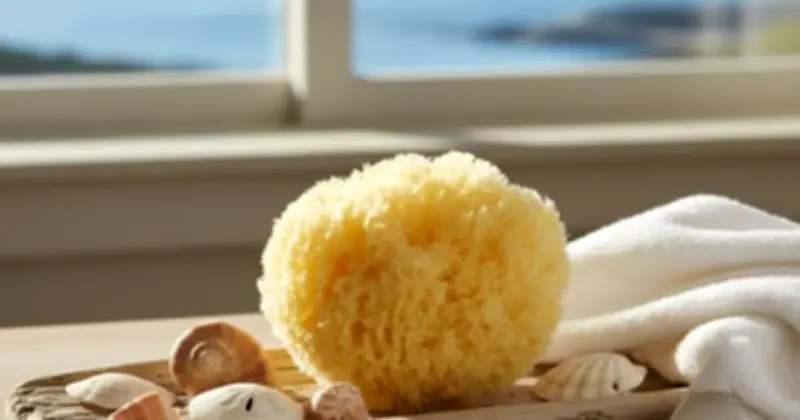
UK gardeners are being urged to put out sea sponges before Thursday, as the weather is expected to become warmer again. After a spell of cooler and wetter conditions, temperatures are forecast to rise from Thursday onwards. The Met Office says temperatures could climb into the mid-20s in some areas. Looking further ahead, forecasters say conditions could become widely dry and settled, with temperatures remaining above normal for the time of year. While many gardeners will welcome the sunshine, warmer weather often brings a problem.
Garden pests tend to become much more active when temperatures rise. And one gardening expert says there is a simple way to help bring a natural pest controller into your garden.
Ashley, who runs the Gardening in Canada YouTube channel and has a degree in Soil Science, recommends using damp sea sponges to attract ladybirds. Ladybirds are one of the most useful insects gardeners can have around, especially during hot spells. Hot weather helps pests such as aphids, thrips and spider mites multiply much more quickly. Because insects are cold-blooded, warmer temperatures speed up their growth and reproduction. Plants can also become stressed during hot and dry weather, making them more vulnerable to attack.
That's where ladybirds can help. A single adult ladybird can eat up to 50 aphids a day and around 5,000 pests over its lifetime. Ladybird larvae are even more effective and will feed on aphids, mites and scale insects.
In a video titled How To Attract Lady Bugs, Ashley explained that many gardeners use damp sea sponges or natural loofahs as a safe source of water for ladybirds. This is because they can easily drown in deep bowls or dishes that some gardeners leave out. Instead, gardeners should place a natural sea sponge or loofah in a shallow dish or plant saucer. The sponge should then be soaked with fresh water until damp but not fully submerged. Ashley recommends keeping the sponge moist and washing it occasionally to keep it fresh.
However, she says a water source works best when combined with other things that attract ladybirds. One of the most effective methods is growing pollen-rich flowers and herbs such as yarrow, dill, fennel, cilantro and cosmos. Ladybirds are also attracted to quiet areas of the garden. Leaving a few wild patches, fallen leaves, or undisturbed corners can provide shelter and places for them to lay eggs. Ashley also advises avoiding pesticides whenever possible. Many sprays kill beneficial insects as well as the pests gardeners are trying to control.




