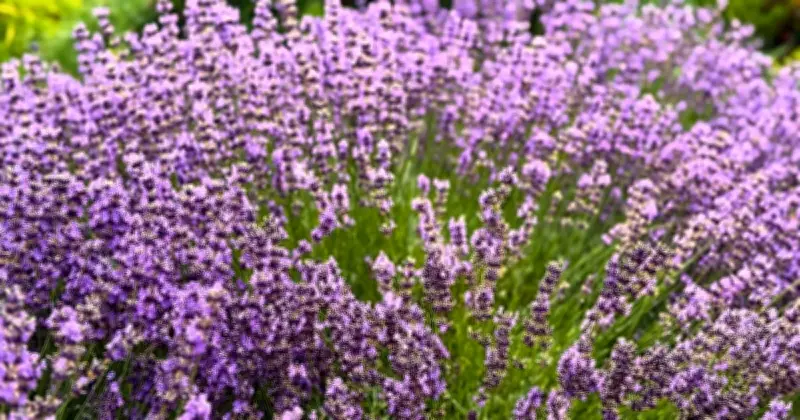
Pruning lavender before summer ends can triple next year's display and keep the plants from becoming woody and leggy, according to experts at Gardening Know How. The advice comes as the popular Mediterranean perennial, widely grown across the UK, begins to fade for the year.
Late-summer lavender care “directly determines future flowering potential and can even triple next year’s display”, the experts said. They warned that “time is of the essence” and that now is a “good time” to spend five minutes pruning.
Why pruning lavender is crucial
Cutting back lavender is not merely for aesthetics; it plays a crucial role in the plant's overall health and productivity. Similar to many other perennials, if left unattended, lavender can quickly become woody, leggy, and sparse, losing the compact form, vibrant colour, and even the soothing scent that makes it a favourite in UK gardens.

When lavender is pruned correctly, it produces fresh growth and denser foliage, resulting in more flower spikes during the next blooming cycle. Thoughtful pruning also promotes better airflow around the base, which helps to prevent fungal problems like root rot. In essence, pruning revitalises the plant, keeping it youthful and vibrant.
If you neglect regular pruning, you may observe the base turning brown and brittle, with fewer flowers appearing each season. The simple practice of pruning can significantly extend the life of your lavender and ensure your garden remains fragrant throughout the summer.
How to prune lavender properly
Whether you’re caring for a single potted lavender plant or a whole border filled with them, sticking to a consistent approach can make a significant difference.
The first step is to start with sharp, clean secateurs or garden shears. Blunt, neglected tools will just end up crushing the stems instead of cutting them cleanly, making the plant more vulnerable to disease.
Before you start pruning, make sure to take a good look at your lavender. Recognise the green, leafy growth (the new, soft stems) and the woody base (the older brown stems). You’ll want to trim the soft growth while steering clear of the old wood, as lavender cannot regenerate from woody parts.
Begin by cutting away any wilted flowers and their stems. This helps tidy up the plant and stops it from expending unnecessary energy on seed production. Instead, the plant can redirect that energy towards generating new shoots, paving the way for a stunning display next season.
After removing the flowers, shape the plant into a tidy mound. Follow the natural dome-like curve of the lavender, trimming evenly around the edges. Consider it like giving your plant a quick haircut and styling to maintain its balanced silhouette.
This shaping process is crucial for border plantings or formal hedges, where a uniform look provides a clean and elegant appearance.
A major error in lavender pruning is cutting into the old, leafless wood. This area of the plant won't grow back, which can lead to unsightly gaps or even the death of whole sections. To ensure the plant stays healthy, make sure to leave at least one inch of green growth above the woody base.
Once you've pruned, make sure to remove the clippings to avoid mould and pests.