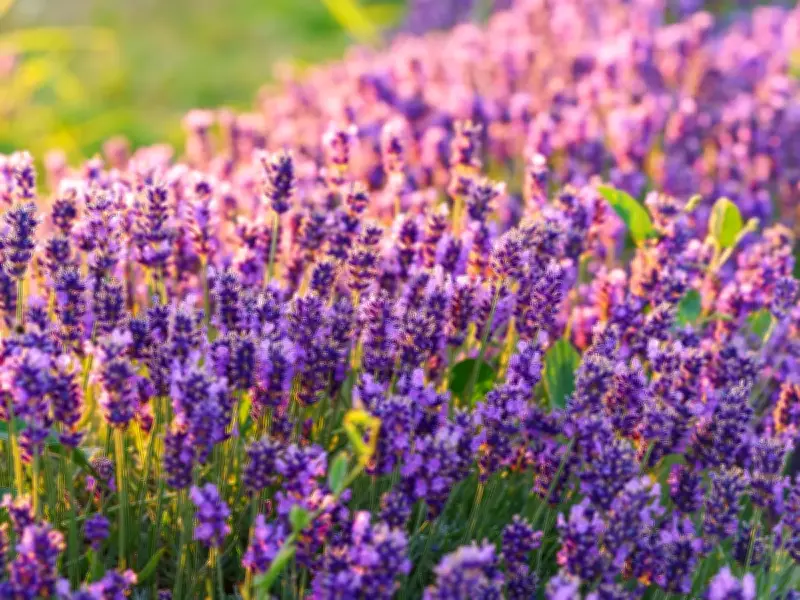
Pruning lavender by the end of summer directly determines future flowering potential and can even triple next year's display, according to specialists at Gardening Know How. The close of summer is a good time to dedicate five minutes to pruning lavender, but time is of the essence.
Why pruning lavender is essential
Trimming back lavender is not simply for appearance; it serves a vital function in the plant's general health and productivity. Like numerous other perennials, if left unmanaged, lavender can rapidly become woody, leggy, and thin, sacrificing the neat shape, vivid colour, and even the calming fragrance that makes it a garden staple throughout the UK.
When lavender is pruned properly, it generates new growth and thicker foliage, leading to more flower spikes during the subsequent blooming period. Careful pruning also encourages improved air circulation around the plant's base, which assists in preventing fungal issues such as root rot. Essentially, pruning rejuvenates the plant, maintaining its youthfulness and vigour.

Without regular pruning, the base can become brown and brittle, with diminished flowering each season. This straightforward practice can substantially prolong lavender's lifespan and guarantee the garden stays fragrant all summer long.
How to prune lavender
Whether tending to a single potted lavender plant or an entire border full of them, maintaining a consistent approach can prove highly beneficial. The initial step is to begin with sharp, clean secateurs or garden shears. Blunt, poorly maintained tools will crush the stems rather than cutting them cleanly, leaving the plant more susceptible to disease.
Before pruning, examine the lavender carefully. Identify the green, leafy growth (the fresh, soft stems) and the woody base (the mature brown stems). Trim the soft growth while avoiding the old wood, as lavender cannot regenerate from woody sections.
Start by removing any faded flowers and their stems. This helps neaten the plant and prevents it from wasting unnecessary energy on seed production. Instead, the plant can channel that energy towards producing new shoots, setting the stage for a magnificent display next season. Once the flowers have been removed, sculpt the plant into a neat, rounded shape, following the lavender's natural dome-like form and trimming uniformly around the outer edges.
Avoid common pruning mistakes
This shaping process is particularly important for border plantings or formal hedges, where a consistent look lends a crisp and sophisticated finish. One of the most common mistakes when pruning lavender is cutting into the old, bare wood. This part of the plant will not regenerate, which can result in unsightly bare patches or even the loss of entire sections.
To keep the plant in good health, ensure at least one inch of green growth is left above the woody base. Once pruning is complete, clear away the cuttings to prevent the onset of mould and deter pests.