Concerns have been raised over the number of applications from private companies to open children’s care homes in parts of Merseyside, often for children being moved into the area and away from their families.
Rise in Applications Across Boroughs
In Knowsley last week, an application was submitted to create a children’s home for one child in Prescot, while two others were given the go-ahead by the council’s planning committee. Meanwhile in St Helens, an application to change a house into a children’s home for one child on Magnolia Close was approved, and in Sefton, three separate applications were decided, two being approved.
As of March 2025, there were 33 registered children’s homes run by 20 different organisations in Sefton, 19 of which were private companies. Only 18% of the available beds were occupied by Sefton children, meaning that the remaining capacity was filled by placements from other local authorities.

National Trends in Private Care
Private care homes make up over 80% of the mix in England, with the remainder being run by local authorities and charities. The number of this type of home has skyrocketed in recent years, nearly doubling from 2,209 to over 4,000 since 2018, according to Ofsted. In that same period, the number of children in care increased by 9%. It is thought that the rise in the number of homes is the result of new providers including private equity and property investors who do not require prior experience or qualifications to set up services, according to charity Become.
Profit Over Welfare?
Private providers charge councils to run their homes, and in the last eight years, local authority spending on this has tripled, with the BBC reporting four years ago that some companies were making a 40% profit. Ofsted warned last year that firms were increasingly putting profit over the needs of children, partly by setting up homes in areas of the country where housing is cheaper. In 2024, Become found that there were almost 18,000 children in care living over 20 miles from their home area, out of a total of 84,000, and that this number had increased by 3,000 since 2018.
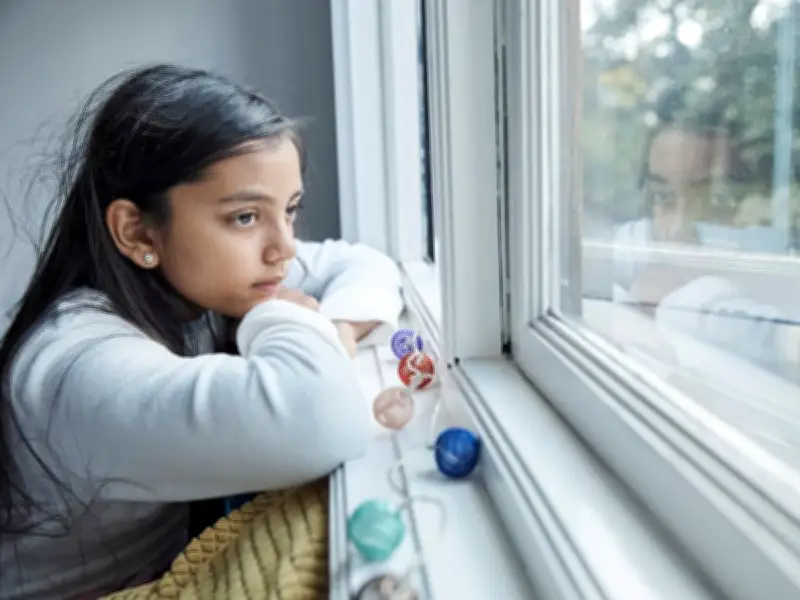
There are reasons why a child might need to be moved away from home, such as safeguarding them from criminal behaviour or abuse, but often it is simply because of a lack of spaces in their area. Become, which is the national charity for children in care and care leavers, has continually raised concerns that this means a child having to leave everything and everyone they know through its Gone Too Far campaign. The charity says that for children this means going to a place where people speak differently, their surroundings are unfamiliar, they have to start a new school and develop a new social network.
Local Impact in Sefton
Sefton Council said in a 2025 report that 54% of its cared for children live within the borough’s boundaries, and that it finds it challenging to find suitable residential placements, with three quarters of those in care homes being placed an average of 24 miles away from home. Concerns over the number of planning applications being submitted to turn residential properties into children’s homes were raised at Sefton Council’s children’s services overview and scrutiny committee meeting last week.
At that meeting, Bootle West councillor Jim Conalty said that he had been reading about children’s homes being set up in “cheap housing areas”. He added: “I’ve noticed, certainly, in my ward and neighbouring wards, planning permission going in for all these children’s homes. I take it that they’re probably not going to be used by Sefton children.” He asked if the council is monitoring the number of children coming into the borough from elsewhere, because it will impact on school places and other services.
Cabinet member for children, schools, and families Diane Roscoe said: “It’s a national issue. It isn’t right, I think, that children are moved sometimes hundreds of miles away from their homes, from their schools, from their families, just because the housing is cheaper. It’s something that needs looking at. There are other issues sometimes behind the people who open these homes. Who are they?”

Paula Seivewright, who is the council’s assistant director for children’s social care, said that the council is made aware by other local authorities when children from outside the borough are moved into homes within it. She added that she sometimes liaises with other councils if she has concerns over whether a move is the right thing for a child. “So we do have mechanisms in place to give ourselves assurances about children.” Ms Seivewright added: “If I am asked for my opinion, as the assistant director of children’s services, I don’t support the opening of children’s homes because it’s not in the interests of what we want to achieve for children.”
Executive director for children’s services Becky Bibby said: “It’s a huge dilemma for us.” However, she added that the council has “robust” processes in place to safeguard children. Cllr Roscoe told the ECHO: “It is a trend we are aware of but our position in Sefton is that children who need to come into our care are best placed within their home communities and our priority is to recruit foster carers so children live in stable, loving homes.”
Market Saturation and Illegal Homes
Over in Knowsley, a council spokesperson told the ECHO: “It’s really important that children and young people have safe, loving, nurturing and stable homes where they are close to their family and support network. We recognise the increasing number of applications to open children’s homes both within the borough and across the wider city region which reflects a growing demand for placements nationally. While additional provision is needed, it is important that this is the right type of provision, in the right places, and of a consistently high standard. It’s also important any such homes are regulated and subject to regular inspection regimes. A key focus for Knowsley Council is to strengthen local capacity and work with our safeguarding partners, commissioning colleagues and other local authorities to monitor new homes, share intelligence and ensure appropriate oversight. Our priority is always to ensure that every child is safe, well supported, and living in a home that meets their individual needs.”
An Ofsted spokesperson told the ECHO: “We have voiced concerns that the children’s home ‘market’ is becoming saturated in some regions, with more registered provision available than is actually needed. Crucially, proposed provision is not always of the right type, or in the right location to meet local needs.”
A separate national issue relating to the sharp increase in the number of children’s homes is a concurrent rise in the number of unregistered providers. All services should be registered with Ofsted, which is required to inspect them twice a year, and failing to do this is illegal. However, when councils struggling against a shortage of homes in their area cannot find any other way to place children in care, they sometimes have to resort to using these settings, sometimes costing up to £2m per year per child, the BBC has reported. While a child is in an unregistered home, the council will rely on direct oversight, manually enforcing safeguards because the provider is not registered with the inspectorate.
Some children’s homes are unregistered because they are waiting months to complete the process with Ofsted, which said last year that it had seen a near doubling in the number of applications over the previous 12 months. The North West had the highest number of unregistered homes of any region in England in 2023/4, at 157. The inspectorate has begun to prioritise applications that will tackle local provision shortages, rather than working through them chronologically, which means that some companies may wait longer.
The Ofsted spokesperson said: “We have seen an unprecedented rise in applications to register new children’s homes and are prioritising those that are needed urgently for emergency placements, or that meet an identified need. We will continue to discuss with the Department for Education how we can further improve the registration process to ensure we have enough homes, in the right place, to meet the needs of children.” However, Ofsted has also said that very few of these providers actually apply for registration, stating on its website that last year it sent warning letters out to those it knew of, and only received applications from 6% of them. Of those applications, only 8% were successful, which reflects the poor quality of the settings, the inspectorate added.
Children at Risk
Anela Anwar, CEO of Become, told us: “It’s right that Ofsted is prioritising the registration of new children’s homes in areas where they’re needed most. But the long delays in approving homes means children are still being moved to wherever there’s availability, miles away from friends, family, school and siblings, impacting their mental health, leaving them isolated and at risk of exploitation. The Department for Education must work with Ofsted to reduce the amount of time it takes to register homes, as part of a national plan to ensure there are enough of the right homes in the right areas. Children need high quality care, in homes that can keep them close to the places they know and the people they love.”
The Ofsted spokesperson said: “Too many children are being placed in illegal unregistered children’s homes, with insufficient oversight where they’re at risk of harm. The use of these placements must stop. We welcome the new powers introduced through the Children’s Wellbeing and Schools Act, which will allow us to issue fines to illegal children’s homes and strengthen our ability to hold providers and managers to account.”