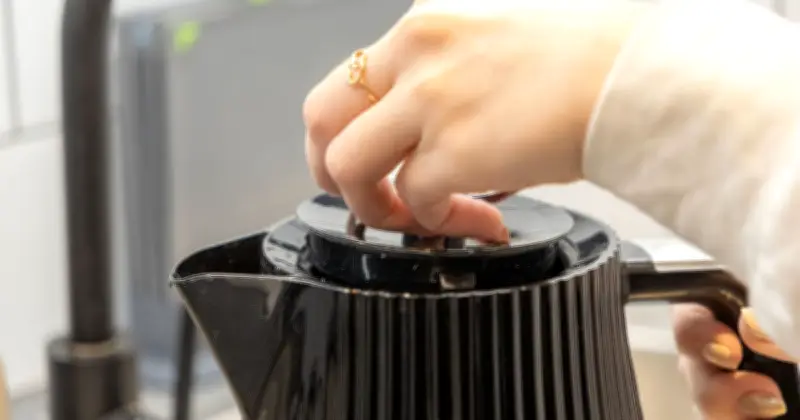
Homeowners can use a simple kettle method to prevent fruit flies in the kitchen, according to consumer experts at Which? The advice comes from the British Pest Control Association and is particularly timely as warm summer temperatures create ideal breeding conditions for these pests.
How the Kettle Method Works
Fruit flies often lay their eggs in drains, which provide the damp environment they prefer. Which? recommends pouring a full kettle of boiling water down the plughole to kill fruit fly eggs and larvae, which can usually survive typical water flow. The experts note that boiling water taps can also be used regularly to flush out the plughole, but a full kettle of boiling water is very effective.
Additional Prevention Tips
Keeping the sink and drains clean is essential. Which? advises: "Keep your sink and drains clean. Flies often lay their eggs in drains, as they favour damp places to lay their eggs. Pour boiling water down the plughole to kill fruit fly eggs and larvae." If going on holiday, homeowners should flush through the kitchen sink to remove any residues that might attract fruit flies.
Pest UK adds further recommendations: "Keep kitchen sink drains and waste disposals clear of food debris and residue. Rinse your recycling to make sure all jars, bottles and tins are free from food and liquid debris. Empty the kitchen bin every day. Clean up any spills inside, outside or around your bins."
Health Risks of Fruit Flies
While fruit flies do not bite, they can pose a health hazard. Pest UK explains: "They carry bacteria and transfer it to wherever they land. They're particularly attracted to ripe and rotting food, manure and other faeces that may contain salmonella, E.coli and listeria which cause food poisoning." Additionally, female fruit flies inject batches of eggs into ripe fruit, contaminating it.
To further reduce risk, homeowners should cover any fruit on kitchen worktops, put fruit in the fridge as soon as it is ripe, and throw away any overripe food. Fruit flies thrive in warm, damp spaces such as drains, cleaning cloths, mops, buckets, waste disposals, bins, and areas with ripe or rotting fruit, empty beer or wine bottles, and food tins.