
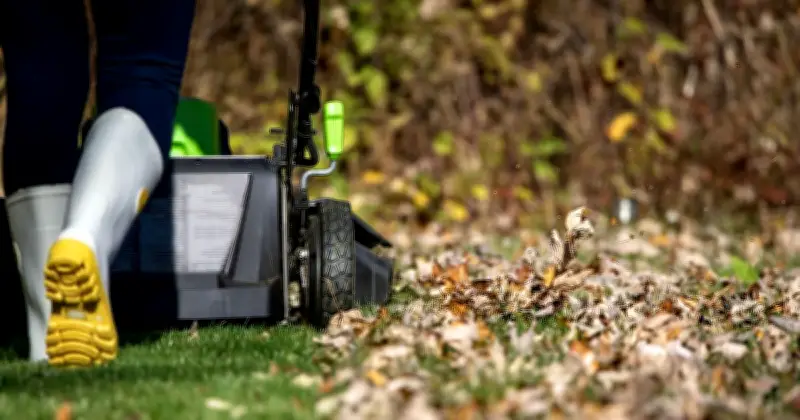
Fallen leaves left to accumulate this autumn can quietly damage lawns, blocking the sunlight and air grass needs to photosynthesise and produce food. A thick layer of leaves can also prevent oxygen from reaching the soil and grass roots, gradually weakening the turf underneath.
Grass trapped beneath a heavy covering of leaves can turn yellow and become thin, eventually dying off and leaving patches. A thick layer of wet leaves can also create ideal conditions for fungi and lawn diseases to thrive, according to a lawn expert at Green Thumb.
Simple Ways to Deal with Fallen Leaves
One of the easiest ways to deal with fallen leaves is simply to mow over them. This breaks the leaves into smaller pieces while returning them to the lawn, helping them decompose more quickly and return nutrients to the soil.
Another option is to use the shredded leaves as mulch around plants and flower beds. The expert advised collecting any fallen leaves, avoiding any that are diseased, then shredding them as much as possible and spreading them around and over plants and flower beds, two to three inches thick, avoiding the stem.
Benefits of Leaf Mulch
Leaf mulch has several benefits. It preserves the garden's soil from erosion and works as a barrier preventing weeds and other grasses from growing. It can also act as insulation for plants, animals, and insects, specifically useful in safeguarding worms from prey.
The good news is that gardeners don't need to remove every leaf as soon as it lands. The key is simply to prevent thick layers from building up and sitting on the grass for extended periods.




