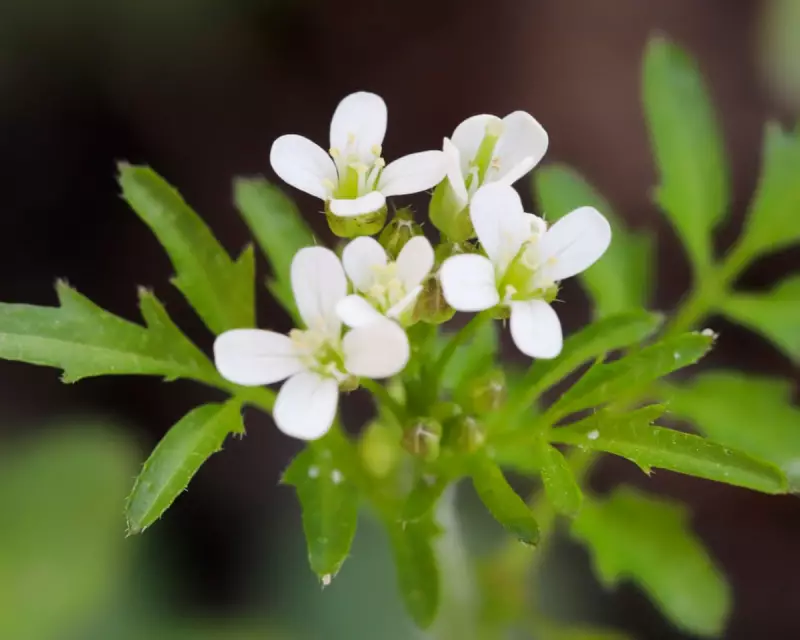
In a fascinating discovery that sheds light on the hidden world of plant interactions, a recent study has revealed that plants can warn each other about incoming stresses through airborne chemical signals. This research, focusing on the common thale cress, scientifically known as Arabidopsis thaliana, demonstrates how neighbouring plants activate genetic defences when under threat, while isolated individuals remain vulnerable.
How Plants Signal Stress to Their Neighbours
The study involved growing Arabidopsis thaliana plants in two distinct conditions: some were isolated, while others were placed so close together that they were physically touching. When exposed to intense light stress, the results were starkly different. The crowded plants managed to cope effectively with the stress, whereas the isolated plants suffered severe damage, highlighting the critical role of proximity in plant resilience.
Genetic Activation in Response to Stress
Within just one hour of stress exposure, the crowded plants switched on more than 2,000 genes involved in protecting against various stresses. This rapid genetic response enabled them to mount a robust defence mechanism. In contrast, the isolated plants showed minimal extra gene activity, leaving them ill-prepared to handle the environmental challenge.

The key to this phenomenon lies in the communication between plants. It is well-established that plants use airborne chemicals to pass messages, but this study identified hydrogen peroxide as a specific signal. The crowded thale cress plants were found to release hydrogen peroxide, a chemical known to trigger defensive preparations in plants. This marks the first time hydrogen peroxide has been observed passing from one plant to another to convey stress warnings, offering new insights into plant behaviour and survival strategies.
Implications for Understanding Plant Ecosystems
This research not only deepens our understanding of plant communication but also has broader implications for ecology and agriculture. By recognising how plants support each other in stressful conditions, scientists can explore ways to enhance crop resilience and promote healthier plant communities. The findings underscore the complexity of plant interactions and their ability to adapt collectively to environmental threats.
As we continue to uncover the secrets of plant life, studies like this remind us of the intricate networks that exist in nature, where even the simplest organisms exhibit sophisticated communication and cooperation.