
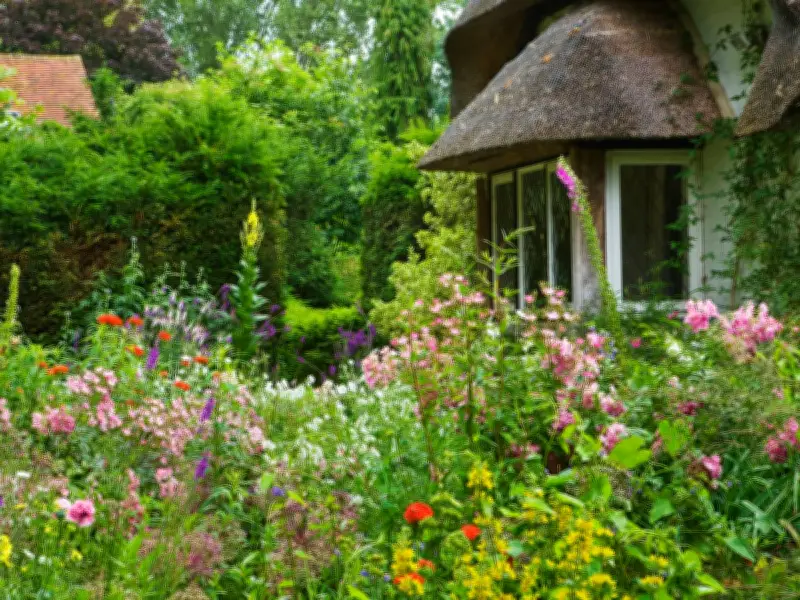
Gardening experts are urging UK gardeners to plant one specific flower this summer that will flourish virtually anywhere and help sustain birds and other native wildlife. The warm summer weather usually brings out an array of creatures, both large and small. Many gardening lovers are eager to ensure their outdoor spaces provide a refuge for wildlife, and certain plants are key to achieving this aim.
Native Plants for Wildlife
There are numerous UK-native plants that will prosper in gardens this summer while also offering benefits to birds, bees, butterflies and crucial insects. UK gardens can serve as a vital sanctuary for important pollinators such as bumblebees, honeybees, wasps, drone flies, ladybirds, beetles and more. For birds and other animals like hedgehogs, gardens can function as resting places, a source of food, and much-needed shelter.
Many people enhancing their outdoor areas incorporate useful and attractive wildlife aids such as bird baths, feeders, and even bee hotels. Experts at GardeningExpress.co.uk have revealed that one of the most effective approaches for attracting and supporting creatures is to cultivate native plants which naturally benefit insects and birds already present in the local area. With the right combination of flowers, plants and trees, homeowners can witness their outdoor spaces transform into a flourishing habitat, regardless of its size.
Expert Advice
Chris Bonnett, the founder of GardeningExpress.co.uk, said: "More and more people want to see wildlife in their gardens, and it's often simpler than they expect. Incorporating even a small selection of native plants in your garden can make a big difference. These plants already fit in with our local wildlife, so they'll provide exactly what insects and birds need to survive and thrive. It's one of the easiest ways to bring gardens to life, especially during the summer months when wildlife activity is at its peak."
The experts revealed seven plants capable of drawing in a diverse array of wildlife, with one in particular being described as a "magnet" for bees. That plant is the foxglove (Digitalis purpurea). An enormously popular wildflower throughout the UK, it is immediately recognisable thanks to its striking, bell-shaped blooms. Frequently planted along borders to provide structure and depth, the foxglove also brings a welcome burst of colour to darker, shadier spots.
Royal Horticultural Society Endorsement
The Royal Horticultural Society has branded the common foxglove "one of our most spectacular native wildflowers". The RHS says: "Over time, many variations and colour strains have been developed from this parent plant. They are a magnet for bumblebees and are ideal for growing in wildlife and cottage gardens."
For those eager to introduce foxglove to their garden, the RHS offers further advice: "Most of the perennial types are short lived and will need replacing as they decline. Allow biennials to self-seed or replace annually after flowering for a summer display."
Other Recommended Plants
Gardening Express also suggested primrose, hawthorn, ivy, rowan, honeysuckle and red campion as further options to attract wildlife. By planting these native species, gardeners can create a thriving ecosystem that supports bees and other creatures throughout the summer season.




