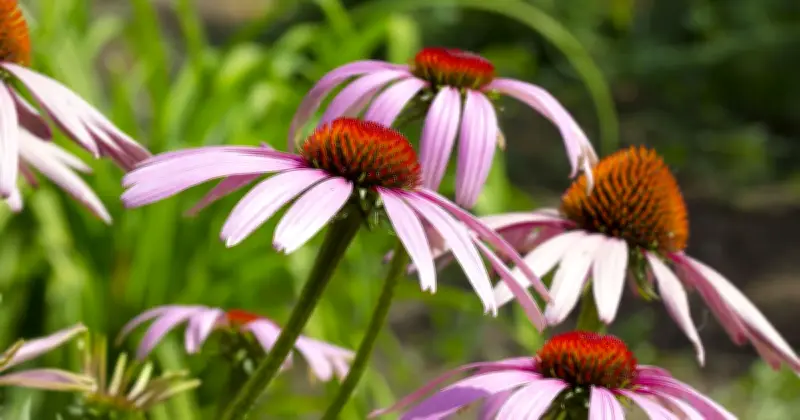
Gardeners are being encouraged to plant echinacea in August to ensure a vibrant autumn display and provide food for bees and birds. The plant, known for its late-season blooms, can flower well into September and even October, offering colour when many summer plants fade.
Why Echinacea?
Georgia Featherstone, a beginner gardener who shares advice on TikTok, posted a video urging everyone to pick up an echinacea. She said: "Every garden needs one of these, because it flowers right into autumn and gives food to both the bees and the birds. This is echinacea, and it is great for late-season colour because it will take its flowers right into September and even October."
Featherstone also highlighted the plant's winter benefits: "The reason I love these so much is that in the winter, you don't even have to cut them down. If you let them dry, birds absolutely love them, especially goldfinches, because they'll come and sit on the flowers and pinch out the seeds."
Growing Conditions
Echinacea thrives in full sun, needing at least six hours of sunlight daily, so it is not ideal for shady gardens. However, once established, it is drought-tolerant, making it suitable for dry summer conditions and areas with hosepipe bans.
Commenters on the video were grateful for the advice, with many planning to buy echinacea. One person said: "I've got mine in a pot. They disappear in winter, then you see the green start to appear, then full flowers for late summer. Perfect!" Another added: "I've just bought this one today! Yay!"
Care Tips
Echinacea prefers well-drained soil and should be kept evenly moist while establishing. Once settled, it is drought-tolerant and needs water only during prolonged dry spells. A light mulch of compost in spring is usually sufficient, and heavy feeding should be avoided to prevent floppy growth.
Deadheading spent blooms encourages more flowers, but leaving some later heads provides seed for birds and winter interest. In late autumn or early spring, stems can be cut back to near ground level, or left standing over winter for wildlife. Clumps can be divided every 3–5 years in spring to keep plants vigorous, though some types dislike frequent disturbance.
Watch for slugs and snails on young plants and powdery mildew in crowded, dry conditions. Most echinacea are hardy but dislike winter wet, so good drainage is key to helping them survive colder months.