
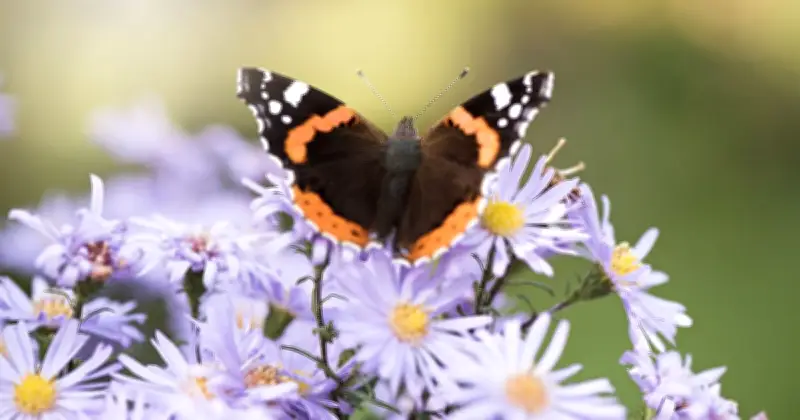
Butterflies will flock to UK gardens if one specific flower is planted before the end of June, experts say. Many gardeners enjoy seeing butterflies visit their outdoor spaces during summer, but some gardens attract far more than others. One of the biggest reasons is the type of plants growing there.
Why Nectar Matters
Butterflies rely on flowers for nectar, which gives them the energy they need to fly, feed, and find mates. They are also more likely to visit gardens that provide food throughout the season. Even small gardens can attract butterflies if the right plants are grown, according to Butterfly Conservation.
The charity explains that gardens can act as important stepping stones between nature reserves and other natural habitats by providing valuable sources of nectar and food plants.
The Butterfly Bush
One flower gardeners may want to plant before the end of June is buddleia, often known as the butterfly bush. Its nectar-rich flowers are highly attractive to butterflies and can help bring a range of species into a garden during the summer months.
Buddleia is easy to grow in most soils and produces colourful blooms in shades including purple, pink, red, and white. The shrub usually flowers throughout July and August, providing butterflies with an important source of food.
Seasonal Benefits
Experts at Butterfly Conservation note that nectar plays an important role throughout the year. In spring, it helps butterflies recover after winter hibernation or long journeys from southern Europe and Africa. Later in the year, nectar helps them build up energy reserves before winter arrives.
Gardening Tips
The charity also advises gardeners to plant flowers in sunny and sheltered spots, as butterflies are attracted to warmth. Growing several different nectar-rich plants together can help attract a wider range of species. Other flowers recommended by Butterfly Conservation include lavender, verbena bonariensis, perennial wallflowers, and marjoram.
Gardeners are encouraged to keep plants healthy by watering them during dry weather and removing spent flowers to prolong blooming. Most importantly, the charity warns against using insecticides and pesticides because they can harm butterflies and other beneficial insects.




