Pet owners are being warned about five popular summer plants that could poison animals, as experts urge caution during the hot weather when pets spend more time outdoors. Scott Cieslar, animal nutrition expert at Mad Barn, says owners should be careful about what they grow in areas their pets can access.
Lilies: A Major Threat to Cats
Lilies are one of the biggest concerns for cat owners, as even small amounts of some lily species can be extremely dangerous. Cats may be exposed by chewing leaves, licking pollen from their fur, or drinking water from a vase containing lilies. Scott explains: "Lilies are a good example of a plant that may look beautiful but can create a serious risk for certain animals. If you have pets, especially cats, it is worth checking whether a plant is safe before bringing it into your home or garden." Signs of lily exposure include vomiting, tiredness, and changes in drinking or urination habits. Owners should contact a vet immediately if they suspect their cat has eaten part of a lily.
Foxglove: Heart Risks from a Common Garden Flower
Foxgloves, with their tall colourful flowers, are a common sight in UK gardens during summer. However, the plant contains compounds that can affect the heart if eaten by pets. Animals that chew foxglove leaves or flowers may experience drooling, vomiting, weakness, or an abnormal heartbeat. "Pets do not always know what is safe to eat, particularly younger animals that are still exploring. Keeping potentially harmful plants away from areas where pets spend time is a simple precaution," says Scott.
Hydrangeas: Stomach Upset in Large Amounts
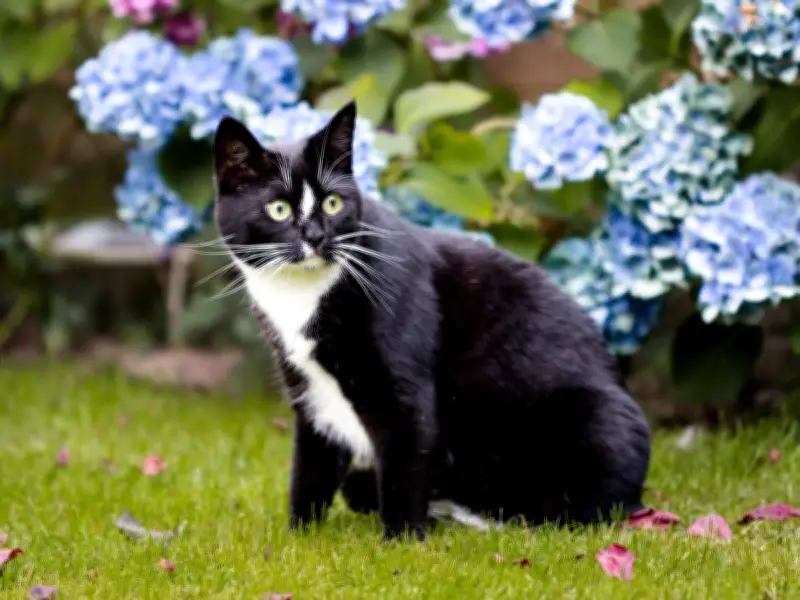
Hydrangeas are another popular summer garden plant, but their leaves and flowers can cause problems if eaten in large amounts. Pets that consume parts of the plant may experience stomach upset, including vomiting and diarrhoea. Scott advises: "Many garden plants are perfectly normal for humans to grow, but pets interact with them differently. A plant that is decorative to us can become a temptation for an animal that likes to chew."
Rhododendron: Nervous System Effects
Rhododendrons are often found in gardens across the UK, but they can be harmful to pets if eaten. The plant contains compounds that may affect the digestive system and nervous system of animals. Symptoms can include drooling, vomiting, weakness, and a lack of coordination. Scott recommends checking gardens regularly, particularly after strong winds or weather changes that can cause leaves and flowers to fall. "Pets are often most interested in things that are new or unusual. Fallen leaves and flowers can be just as important to remove as the plant itself," he says.
Tulips and Daffodils: Bulb Dangers
Although often associated with spring, tulips and daffodils can continue to appear in gardens during warmer months, especially from bulbs left underground. The bulbs are considered the most dangerous part and can cause problems if dug up and eaten by curious pets. Signs of ingestion can include stomach upset, drooling, and lethargy. "Garden bulbs are a good reminder that the risk is not always obvious. A pet may ignore a plant above ground but become interested when digging or exploring soil," says Scott.
Signs Your Pet May Have Eaten a Harmful Plant
Pets cannot tell owners when something is wrong, so recognising changes in behaviour is important. Warning signs include vomiting or diarrhoea, excessive drooling, loss of appetite, unusual tiredness, weakness, and changes in breathing or heart rate. Scott advises seeking veterinary advice immediately if you believe your pet has eaten a potentially toxic plant. "The sooner a problem is identified, the easier it is to manage. If you are unsure what your pet has eaten, take a photo of the plant or bring a sample with you when speaking to your vet," he adds.
How to Make Your Garden Safer for Pets This Summer
Experts say pet owners do not need to avoid gardening completely but should take a few simple precautions. Research plants before adding them to your garden, keep potentially harmful flowers away from areas pets can access, and regularly remove fallen leaves or petals. "Creating a pet-friendly garden is about awareness. Knowing what is growing around your animals gives you the chance to prevent problems before they happen," Scott concludes.