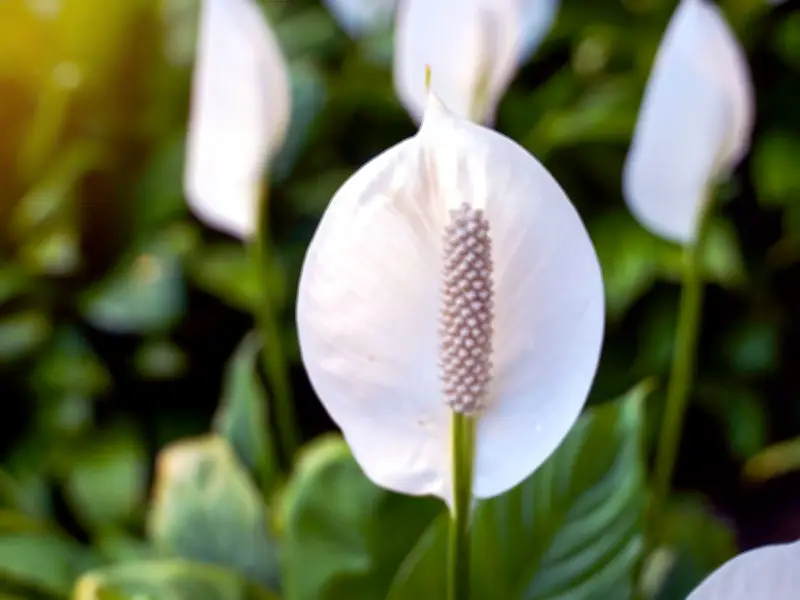
Peace lilies (Spathiphyllum wallisii) are among the most beloved houseplants worldwide, known for their glossy green leaves and striking white spathes. Their hardiness makes them ideal for beginners, but getting them to flower can sometimes be a challenge.
The Mild 'Stress Reset' Method
Professional gardener Chad Massura told Real Simple: "If your plant is happy but just not blooming, it might need a little extra push to get there." He recommends a technique called the mild 'stress reset': reduce watering slightly for several weeks, then return to normal care.
Massura suggests trying this only after other options—such as maintaining a regular watering routine, providing 10–12 hours of light daily, keeping normal household temperatures with average or above-average humidity, and applying fertiliser once or twice a year—have been explored.
Normal Watering Routine for Peace Lilies
According to Gardeners' World: "Only rehydrate the soil once the top third has dried out. Check if the soil is dry by feeling the compost on top; if small soil flakes stick to your finger, there's no need to water just yet. The frequency of watering shouldn't change throughout the year as they generally don't go into a state of dormancy."
Saving Peace Lilies from Overwatering
Plant expert Lee Miller told Martha Stewart's official blog: "Check the soil moisture level with a moisture meter and water only when the top layer of soil is dry." While adjusting watering may sometimes rescue an overwatered peace lily, the plant can be beyond saving. In such cases, repot it in a new, appropriately-sized pot with fresh potting soil.
Watch Out for Underwatering
Underwatering can be equally damaging, causing brown leaves that feel brittle. If the compost feels dry, water until excess drains through the drainage hole, and remove any standing water from the saucer.