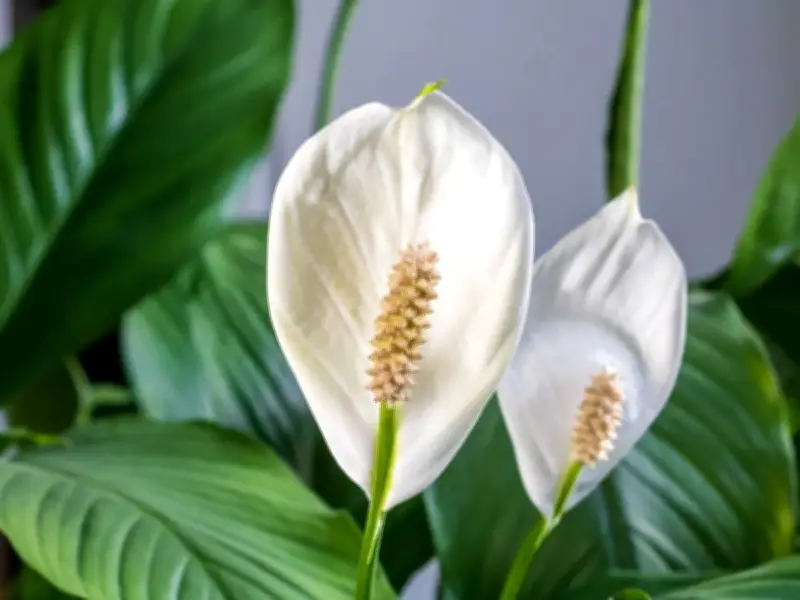
Peace lilies will 'bloom more' if they are moved to a brighter location with plenty of indirect sunlight this October, according to gardening specialists at Happy Houseplants. The key task is repositioning the plant to a spot that meets its light requirements, as shorter autumn days reduce available sunlight.
Why light matters in October
Peace lilies are among the most sought-after houseplants in the UK, admired for their dark-green leaves and delicate white flowers. While they are frequently chosen for their ability to tolerate low light, this is merely something they endure rather than enjoy, and it is far from an ideal growing environment.
To encourage flowering, experts advise: "The answer is more light. Although spathiphyllums (peace lilies) are tolerant of low light, to encourage flowering, we recommend moving the plant to a brighter location with plenty of indirect sunlight."
The best room for your peace lily
Placement within the home is one of the most important factors. A spot should look good while also giving the peace lily sufficient sunlight and humidity. "This can be near east- or west-facing windows, but not too near these windows, as draughts and radiator heat can damage the houseplant, causing it to wilt. The best room we recommend for placing your peace lily is a steamy kitchen."
Light requirements and signs of trouble
Peace lilies flourish with an adequate (low to moderate) amount of bright, indirect sunlight. Direct sunlight should be avoided, as it may result in leaf burn. Striking this balance ensures "vibrant, healthy growth" and encourages the elegant white blooms, according to houseplant specialists at Lively Root.
A healthy peace lily boasts vibrant green foliage, striking flowers, and strong stems. Under ideal conditions, it will reliably produce its hallmark white flowers. Brown flowers on the plant indicate too much sunlight, and excessive sun exposure can cause scorched foliage with unattractive brown patches.
How to revive a sun-damaged peace lily
To restore a peace lily suffering from excessive sun exposure, relocate it to a shadier spot with filtered light. Remove any damaged or scorched foliage so the plant can focus its energy on generating healthy new growth. Adjust the plant's position gradually to avoid shock, and maintain consistent watering to aid its recovery.