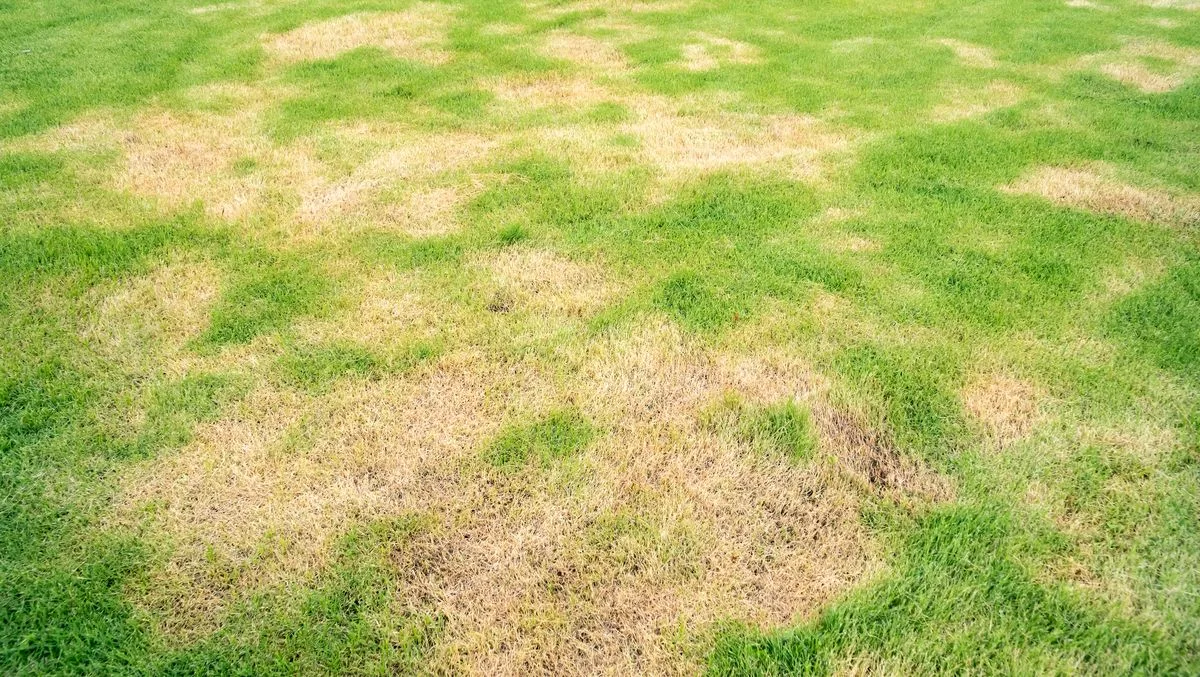
Homeowners worried about patchy lawns this spring can restore them to full health by summer with a simple April task, according to gardening experts. Laura Bradbury, Head of Ecommerce at Vonhaus, explains that by April many lawns show the effects of winter, with moss, dead grass and debris sitting on the surface, potentially stopping healthy grass growth.
The key task is scarifying or raking the lawn to remove the layer of thatch—dead grass, weeds and moss that builds up over winter. This thatch can block air, water and nutrients from reaching the soil, leaving grass weak and patchy. Using a scarifier in spring, when grass is actively growing, is recommended to allow the lawn to breathe again.
In addition to scarifying, experts advise keeping the grass slightly longer during spring, cutting to a height of three to four centimetres. Cutting too much at once can stress the lawn, so a good rule is to avoid removing more than a third of the grass height in one go.
Watering is also crucial. Most lawns need around one to two inches of water per week, but timing matters. Early morning watering allows the soil to absorb moisture properly, keeping grass hydrated throughout the day. Water sitting on the surface overnight can lead to mould or patchy growth.
Laura Bradbury emphasises that keeping on top of debris regularly makes a big difference and helps grass grow through more evenly. With these simple steps, patchy lawns can recover and grow back thicker and greener as the weather improves.