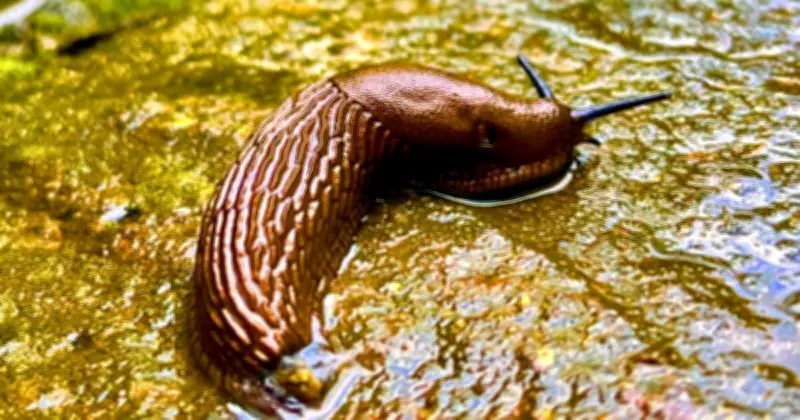
Slugs continue to target plants during winter, but placing orange peels outside in the evening can naturally deter them without poison pellets or any cost. Slugs thrive in wet weather even in cold months and will eat plants and flowers that still have leaves, which can severely weaken them. Plants without leaves become more vulnerable to disease and frost damage at this time of year, and they also take longer to grow as they recover in spring.
Mike McGroarty, a plant propagator and founder of Mike's Backyard Nursery, shared the orange peel method. He said: “Slugs love citrus. Cut your oranges in half and eat them, then put the rinds in your garden near your vulnerable plants.”
Why orange peels attract slugs
Orange peels draw slugs because they contain plenty of moisture, creating a damp environment that slugs find appealing. The peels also give off a strong, sweet scent that attracts slugs, particularly as the fruit starts to break down and decay.
Placing orange peels near vulnerable plants encourages lots of slugs to gather in one small area, making it easier to collect and dispose of them. This method makes use of leftover food scraps to manage slugs without relying on poisonous pellets.
How to use orange peels against slugs
Save the peels from any oranges you eat, and once you have enough, cut the peels into even smaller pieces. Place the orange peel bits on the outside of the soil near any plants you wish to protect in the evening, as slugs start to come out at night.
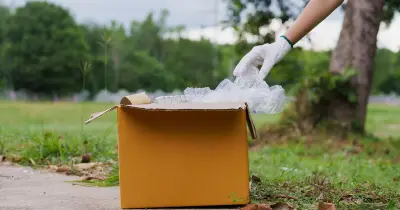
Keep the peels far enough apart to act as a deterrent, but do not place them close enough to touch the plant stem; otherwise, the slugs will start eating it afterwards. Check the orange peels once a day in the morning, and when they are filled with slugs, use gardening gloves to pick them up.
Drop the slugs into a bin or a bucket filled with soapy water to get rid of them completely. Replace any orange peels whenever it rains, and they should be enough to distract slugs so they do not go near your plants this winter.