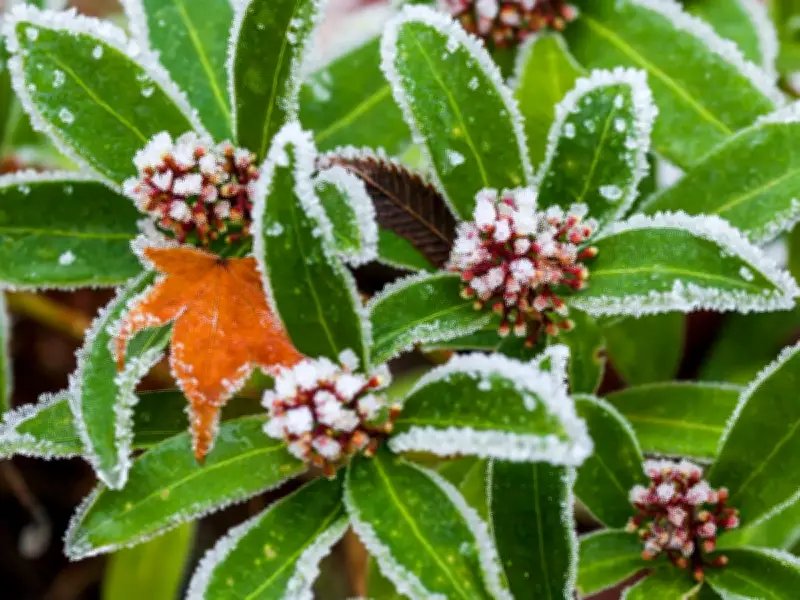
With autumn firmly underway, temperatures are beginning to plummet significantly and the unavoidable first frost is fast approaching. After months of warmth and flourishing growth, many plants haven't yet developed their winter hardiness, leaving them vulnerable to sudden cold spells — making this one of the most damaging times of the year for gardens.
Why the first frost is so dangerous
David Denyer, Eflorist's flower and garden expert with more than 35 years of experience, has explained why the first frost can be most hazardous and revealed exactly how gardeners can safeguard their plants without spending a fortune.
Outlining the first frost's dangers and what it means for gardeners, David explains: "The first autumn frost often catches gardeners off guard because it arrives while your garden still looks full of life. Many plants have been putting out new growth after a warm summer and wet September, but that growth is full of water and has soft cell walls. When frosty temperatures arrive, the water inside your plants freezes and expands, rupturing those cells and leaving them blackened and unable to recover."
The flower and gardening specialist further clarifies that later in the winter, most plants will naturally harden off and become more robust, but the first frost usually arrives before they've had the chance to do that, which is why it can cause such widespread damage.
How to protect garden plants from overnight frost
David explains there's one vital step gardeners can take to shield their plants from overnight frost: "You need to slow down how quickly they lose the warmth they've absorbed during the day." To accomplish this, all gardeners need to do is cover their more delicate and vulnerable plants.
David recommends: "Covering your more vulnerable plants with fleece, cloches, or even an old sheet will trap a thin layer of warmer air around them and stop it escaping overnight."
The gardening expert continues: "Just remember to remove the covers again in the morning so that air can circulate and the plants can breathe. If you leave covers on during the day, moisture can build up underneath, leading to rot and mould."
For potted plants and hanging baskets, move them up against a wall where possible. This is because brick and stone walls hold onto warmth during the day and release it slowly at night, which can help raise the temperature around your plants by a few degrees, which is often enough to stop frost forming.
The plants most at risk
The gardening expert reveals that the plants facing the greatest danger are half-hardy bedding varieties, such as begonias, which typically suffer first as they cannot tolerate freezing conditions.
Dahlias need special care as well. Their water-retaining fleshy tubers are vulnerable to harm when frozen, causing the tuber walls to split, preventing regrowth the following year, the gardening and flower expert notes.
David adds: "Plants in pots are also much more at risk than those in the ground because the soil in containers cools and freezes faster. Garden soil acts like a layer of natural insulation, while roots in pots are left exposed to sudden temperature changes, especially if they're in terracotta or thin plastic containers. Even hardy perennials can struggle if their roots are exposed to freezing conditions."
Extra protective steps to consider
The gardening and flower specialist explains: "Frost doesn't just harm what you can see above ground, it can also damage the roots below." Adding a mulch of compost, bark, or even fallen leaves around the base of your plants helps to insulate the soil and keep moisture and temperature levels steady. This is especially useful for shallow-rooted plants, like primroses, which sit closer to the surface and are more exposed to colder temperatures.
By protecting your soil, you're also defending your plants' roots against damage from repeated freezing and thawing cycles, helping them stay healthier and recover more quickly when spring arrives.
What to steer clear of before first frost
David warns: "It may be tempting to give your plants a feed in autumn to keep your garden full of colour, but doing so right before a frost can actually do more harm than good. Fertilisers encourage soft new growth that may look healthy but freezes very easily, so it's best to stop feeding after summer."
Another common mistake many gardeners make during autumn, according to the gardening expert, is watering late in the day. While you may be used to evening watering to avoid the summer heat, once temperatures start to drop, this habit can prove dangerous.
David explains: "Wet soil conducts cold much faster than dry soil, which makes it more likely to freeze in low temperatures. If you need to water your plants, do it early in the morning so that any excess moisture can drain away before the temperature drops again overnight."
The flower and garden expert continues: "And if your plants are caught by a sudden frost, try to resist the urge to prune them straight away. The blackened leaves might look untidy, but they actually act as a protective layer for the rest of the plant, so it's best to wait until the weather returns to normal before tidying them up."