
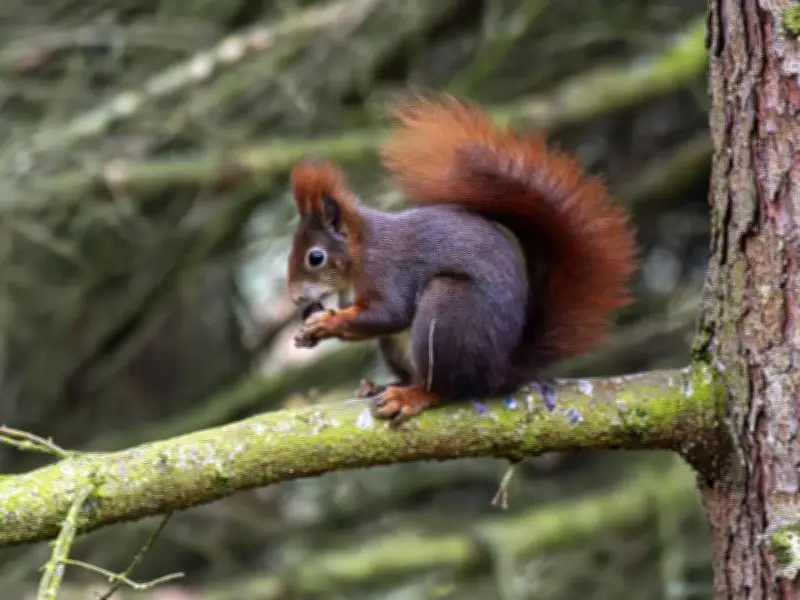
Autumn is a season when you might begin to spot the adorable red squirrels, and if you've seen some paying a visit to your garden or the surrounding area, there is a straightforward method to encourage their return. You can make things slightly easier for them by offering a bit of additional food and growing some red squirrel-friendly plants throughout your garden.
Feeding Red Squirrels Safely
Crucially, as you prepare to feed squirrels, you need to remember you are supplementing the diet of a red squirrel, not replacing their natural food sources. Rather, you're simply putting out modest quantities of food every few days to prevent them becoming reliant on it.
One thing squirrels are certain to adore is, naturally, a selection of nuts and seeds, and the greater variety you can provide, the more beneficial. While hazelnuts continue to be a firm favourite, sweet chestnuts, sunflower seeds and pine nuts are also regularly enjoyed by them.
That said, if peanuts are used, you should verify beforehand that they are free of aflatoxin and don't offer them in large quantities. Alternatively, you can provide apples and carrots to red squirrels in order to give them some additional vitamins.
Where to Place Feeders
Where you feed the squirrels is just as important, as feeding stations should be placed in a location that provides a swift escape route for them, as they are quite jittery and nervous little creatures. A tree provides an ideal spot if you have one available, particularly positioning the feeder around five to six feet up, or close to a high wall, which works brilliantly as squirrels enjoy climbing and can make a swift escape if needed.
If you already know the routes squirrels use to enter your garden, it's advisable to place your feed along these familiar paths. You don't want to encourage them to venture across open ground or unfamiliar territory, as they startle easily, and this also reduces their exposure to pets and other animals.
Hygiene and Disease Risks
Purpose-built squirrel feeders are readily available online, or you could attempt to construct your own, but the essential consideration is ensuring the space remains hygienic for them. Red squirrels in particular are susceptible to disease, so any uneaten food should be removed before refilling a feeder. Additionally, feeders ought to be cleaned regularly using a disinfectant suitable for bird feeders, to protect against the risk of disease and contamination.
A rather surprising threat to red squirrels, however, comes from grey squirrels. The two species should not come into contact with one another, as it places red squirrels at risk of contracting squirrelpox virus, which is fatal to them, according to The Wildlife Trust. With this in mind, if grey squirrels are already regular visitors to your garden, you should not follow any of the guidance above to attract red squirrels, as doing so would put them in danger.
The Wildlife Trust also states: "The second factor to consider is access to your garden. If a busy road separates you from nearby red squirrel habitat, attracting squirrels into your garden could put them at risk of being run over. It may be better to let them find their own food naturally rather than encouraging them to cross a busy road. If neither of these is an issue, then you can feed your squirrels all year round."




