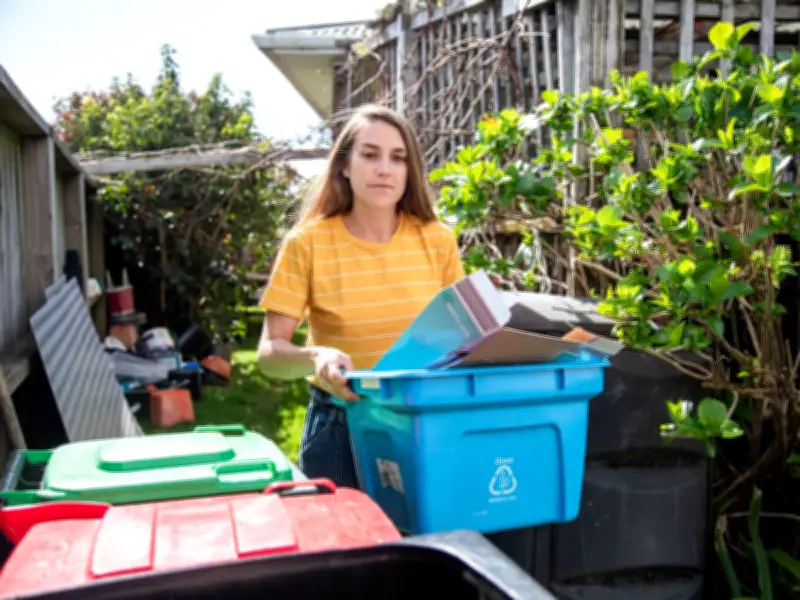
New recycling bin rules are being introduced across England, prompting households to reconsider what they place in their bins. While many are making an effort to recycle more, everyday items are still ending up in the wrong bins, creating confusion, contamination, and extra work for waste services.
From packaging that cannot be processed to common items requiring different disposal methods, mistakes are more frequent than many realise. Taking a few extra seconds to check packaging can help ensure items are recycled efficiently.
Why are the recycling rules changing?
The changes aim to create a more consistent recycling scheme across England, where households have historically faced different rules depending on their location. The Government's goal is to simplify recycling, improve material quality, and ensure more waste is reused rather than sent for disposal. By aligning collections nationwide, the new approach seeks to reduce confusion and support better recycling outcomes.
Five everyday items causing the most confusion
1. Receipts
Graham Flynn, waste management expert and managing director of Anenta, said: "Many people assume receipts can be recycled with other paper, but most till receipts are printed on thermal paper, which contains chemicals that make them unsuitable for standard paper recycling." Instead, they should go in general waste. A shiny coating indicates thermal paper, meaning they should not be recycled.
2. Pringles tubes
Pringles tubes appear to be cardboard but are made of multiple layers of various materials, making them difficult to recycle. Some local authorities accept them, so residents should check first before recycling.
3. Wrapping paper
Wrapping paper with glitter, foil finishes, or metallic coatings cannot be recycled. Cellotape attached to the paper also makes it non-recyclable.
4. Toothpaste tubes
Most toothpaste tubes are made from a combination of plastic and aluminium, making them ineligible for home recycling. However, certain retailers and dentists have collection points where they can be recycled.
5. Disposable coffee cups
Flynn said: "Despite looking like paper cups, most takeaway coffee cups contain a plastic lining that prevents them from being recycled through standard household collections." He advised using dedicated coffee cup recycling points where available or switching to a reusable cup.
How households can avoid recycling mistakes
Households can reduce mistakes by checking their local council's latest guidance, as rules vary by area. Taking extra seconds to separate materials correctly, rinsing containers where required, and avoiding placing uncertain items in recycling can help reduce contamination. When in doubt, residents should check whether an item is accepted rather than assuming it can be recycled.