
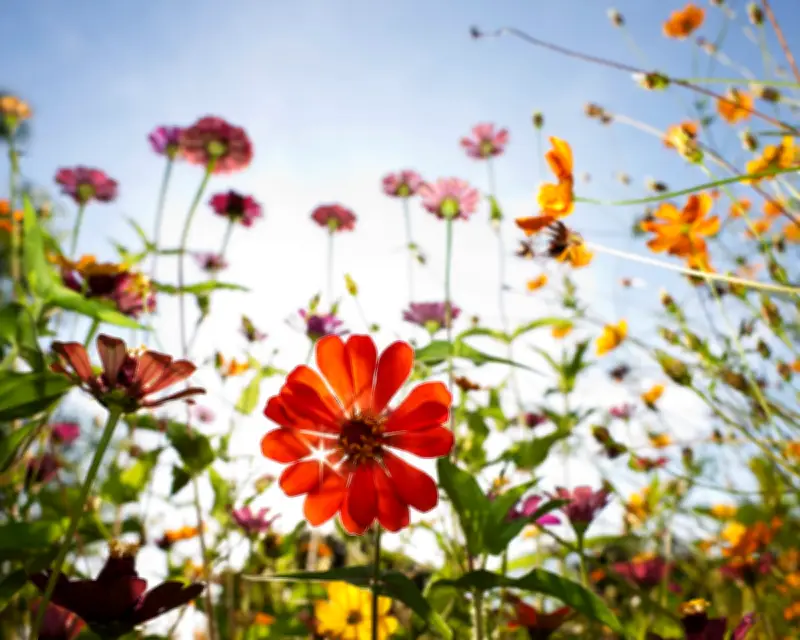
The new natural history GCSE will require teachers to include 20 hours of fieldwork within the course, as announced in long-awaited plans published on Thursday. The course, covering England, Wales, and Northern Ireland, aims to teach students how to plant wildflower-friendly gardens and explore everyday actions to support biodiversity.
Core Areas of Study
According to the government consultation on the curriculum, students will study three core areas: habitats and wildlife in the UK, human influence on the natural world, and climate breakdown, biodiversity loss, and conservation. The naturalist Steve Backshall noted that this generation will confront some of the biggest challenges humanity has ever faced, and the qualification will provide them with the knowledge and tools to understand and be part of the solution.
Human Influence and Everyday Actions
The subject content will examine human impacts on the natural world, such as fishing and deforestation, and explore how actions like creating wildlife-friendly gardens and reducing mowing of roadside verges can support biodiversity.
A key component of the GCSE is dedicated outdoor time, with teachers required to include at least 20 hours of fieldwork. Education Secretary Bridget Phillipson emphasized that fieldwork could take place on school grounds or in a park, making the GCSE accessible to all young people regardless of their ability to afford expensive trips.
Focus on Local Species
Stephanie Holt, UK biodiversity training manager at the Natural History Museum, which helped draw up the curriculum, said focusing on hours spent outside rather than days would enable teachers and pupils to concentrate on species around them. It’s about inspiring curiosity on your doorstep, no matter where that doorstep is.
Phillipson added that the GCSE would complement existing subjects like biology and geography, and one of the biggest changes would be the extent of practical skills young people gain. The course brings classroom-based knowledge into the community in a hands-on way.
Doug Gurr, director of the Natural History Museum, said the GCSE provides a more accessible way of learning by moving away from books. Book learning is important, but not for everybody; people need to do stuff as well as read books.
Government Position
Despite accusations that the government attacks the value of the natural world, with Prime Minister Keir Starmer and Chancellor Rachel Reeves positioning nature as a blocker to economic growth, Phillipson maintained that growth is not in conflict with the environment. She said the GCSE would support young people to explore their interest in the natural world.
The government plans for natural history to be first taught alongside revised GCSEs after the recent curriculum and assessment review.




