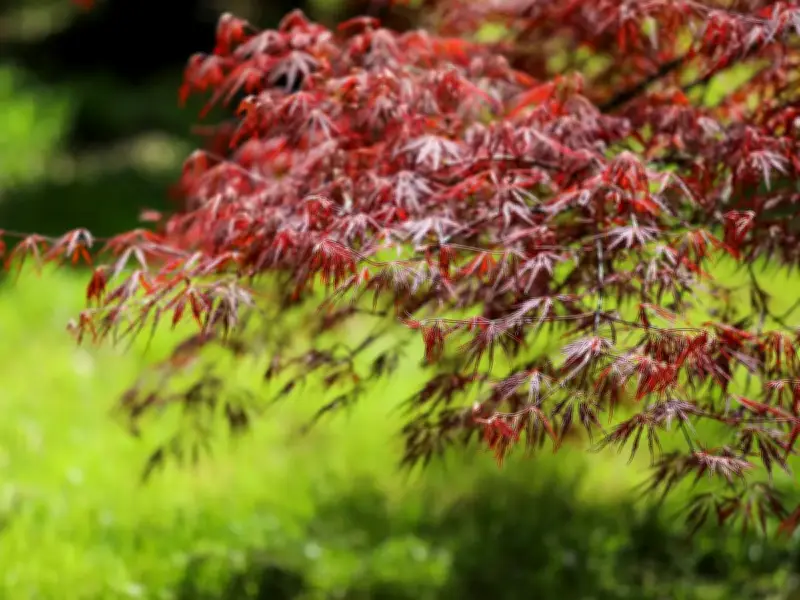
Japanese maples, also known as Acer, are prized for their vibrant foliage, which turns deep crimson with proper care. While many gardeners focus on feeding trees in warmer months, doing so at the wrong time can leave Japanese maples under strain and seriously harmed.
The trees are exceptionally sensitive to elevated temperatures. Their shallow root systems make them more susceptible to dehydration and more prone to adverse reactions if fertiliser is applied during intense heat. Many all-purpose feeds contain salts and chemical compounds that can burn roots and leaves when the ground is warm and the plant is stressed, reports the Express.
Final Safe Fertilising Window
Specialists at Mendocino Maples Nursery state that the final safe opportunity to fertilise a Japanese maple falls in early May. Beyond that point, it is preferable to focus on maintaining a cool and moist root zone rather than encouraging fresh growth.

Instead, they advise incorporating one straightforward natural material into the soil: mulch. They explained: "Mulch is a good friend of your maple. Mulch protects the roots from the heat in summer, the cold in winter and reduces the frequency of watering."
Why Mulch Helps Japanese Maples
Japanese maples naturally flourish in woodland settings where the ground is blanketed with fallen leaves. That layer functions as a protective covering, assisting the soil in retaining moisture while shielding shallow roots from direct sun exposure.
Mulching replicates those conditions within gardens. A layer of organic material assists the soil in retaining moisture, reduces temperature fluctuations around the root zone and diminishes the likelihood of the tree becoming stressed during prolonged periods of warm weather. Over time, organic mulch decomposes, enriching the soil and encouraging healthier growth without the need for additional fertiliser.
How to Apply Mulch Properly
To mulch effectively, focus on safeguarding the roots while preventing moisture from accumulating against the trunk. Begin by clearing any weeds, grass or debris from around the base so the mulch can sit directly on the soil.
Next, apply the mulch in a wide ring across the root area, ensuring a gap is left around the trunk so none of the material comes into contact with the bark, as trapped moisture can result in rot. A layer approximately 5-8cm deep is generally sufficient to insulate the soil and assist with water retention, and it should be thoroughly watered afterwards to help it settle and hydrate the ground beneath.
With the roots properly insulated and the soil remaining cooler and more moist, Japanese maples are considerably more likely to maintain their foliage at its finest through late summer and into autumn — without the risks associated with feeding during hot weather.
What Else Should You Do?
The watering method is equally as important as mulching. According to Japanese Maples and Conifers, when watering Japanese maples, the most effective approach is to provide them with a thorough soaking, which means several minutes using a hosepipe or an extended period with a sprinkler for trees planted in the ground.
Thorough watering promotes root development deeper into the soil, which can enhance the tree's ability to withstand drought conditions. For container-grown Japanese maples, continue watering until liquid flows from the drainage holes at the base, guaranteeing the entire root network receives adequate hydration.
The plant specialists added: "The time of day you water can also be important. Watering your Japanese maples early in the morning is ideal." This allows the trees to absorb moisture before the heat of the day sets in, reducing the risk of evaporation. Early morning watering also helps prevent fungal diseases, which can thrive in moist conditions during the cooler evening hours.
When watering Japanese maples, avoid using overhead sprinklers that wet the leaves if you can help it. Wet foliage can lead to fungal diseases and leaf scorch in the hot sun. Instead, use a soaker hose or drip irrigation system that delivers water directly to the root zone, ensuring efficient water use. Japanese maples only drink water from the roots, so there is no benefit from watering the leaves.