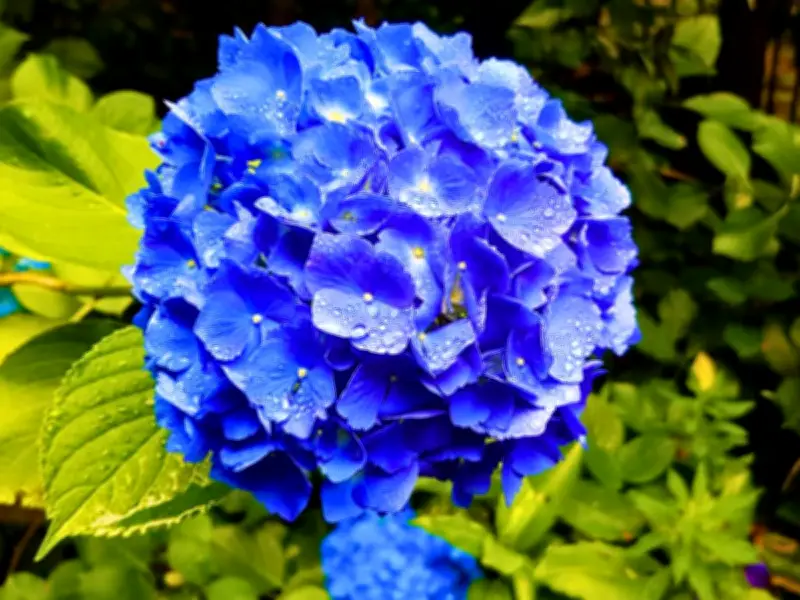
Hydrangeas can grow bigger and fluffier flowers this summer if a simple task is done now. Known for their vibrant and fluffy blooms, hydrangeas are actually quite vulnerable to heat and need a little preparation to survive intense summer weather.
Why Mulch Hydrangeas in June?
Summer is here, and any hydrangeas in your garden should already have formed flower buds and be preparing to bloom magnificently. Many gardeners might think the hard work is done, but June is actually one of the most critical periods to protect these shrubs, as they are far more susceptible to stress or even dying back.
Hydrangeas are particularly vulnerable to hot weather, as they can dry out rapidly, causing petals to turn brown, wilt, and cease growing entirely, leaving the plant bare for the remainder of the season. Skye Hamilton, known as the "Hydrangea Queen" and founder of Hamilton House Designs, states that hydrangeas need to be mulched now before temperatures truly soar, but you must take care when selecting the correct mulch.

She explained: "Mulching hydrangeas is super beneficial for retaining moisture, retaining nutrients, and feeding the soil. Hydrangeas have wide, shallow roots, so finding the right mulch is very important."
The Importance of Mulching
Most plants have deep roots enabling them to hold onto water and nutrients for extended periods, but hydrangeas are well known for having very shallow roots that develop close to the soil surface. However, hydrangeas also have large leaves that require a considerable amount of water, and on scorching summer days, the plant will sustain significantly more damage than most other flowers in a garden.
Extreme heat or drought can cause hydrangeas to become stressed, affecting their growth and potentially causing blooms to fade or fall off entirely. Mulching is a straightforward gardening method that involves laying material around a plant to act as insulation, keeping it cool while also helping the soil retain moisture.
Mulching hydrangeas is generally a simple process and remains one of the most effective ways to keep the plant healthy and hydrated throughout summer, provided you select the correct material.
What Material Should You Use?
A common error many gardeners make is selecting mulch based purely on its visual appeal, often opting for stones or decorative gravel. However, rocky materials are unable to retain water and heat up rapidly when exposed to direct sunlight, making them far more likely to scorch hydrangea roots rather than protect them.
Instead, tree bark is a far superior option, as it helps prevent moisture from evaporating quickly from the soil, keeping hydrangeas cooler and more hydrated for longer periods. Skye said: "When mulching hydrangeas, natural is best. Hydrangeas are acid-loving plants so when it comes to mulch, I recommend pine, cedar or fir. As long as it's natural, the size and shape is completely personal preference."
Mulch is readily available from your local garden centre, and applying a thin layer around your hydrangeas is one of the easiest ways to encourage healthy, longer-lasting flowerheads. Keeping your hydrangea roots cool and well-hydrated will ensure the plant can withstand whatever scorching temperatures this summer throws at it.