
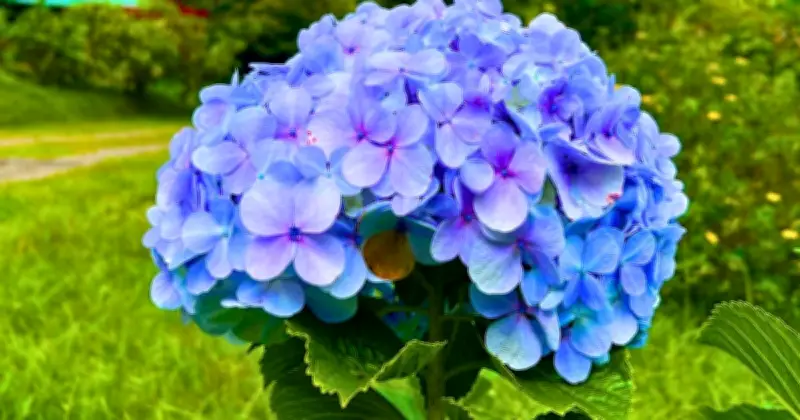
Hydrangeas are among the thirstiest flowers in the garden, and after weeks of intense heat their large leaves and shallow roots can leave them looking droopy and dried out. One simple August task can help them perk up and keep producing vibrant blooms into autumn: mulching.
Anne Gibson, the gardening expert behind The Micro Gardener, says mulching is the way to keep hydrangeas hydrated without constantly reaching for a watering can. It also makes them much easier to care for during hot, dry spells. With August often bringing dry weather, and even outside of hosepipe bans, regularly watering these big shrubs can quickly become tiring.
Why hydrangeas need mulch in summer
Hydrangeas have a fibrous root system that sits close to the soil surface, leaving it more exposed to heat than the deeper roots of many other plants. That makes them prone to drooping and dying off in warm weather. A layer of mulch helps conserve soil moisture and protects roots from summer stress.
Organic matter tucked around hydrangeas acts like a sponge, soaking up excess water and letting it drip slowly back into the soil. As a result, gardeners do not have to water as often, and current flowers stay fresher for much longer.
What the gardening expert says
Gibson explained: “Hydrangeas have a fibrous root system that is close to the soil surface. So it is important to mulch well. I prefer to use a ‘feeding’ mulch which breaks down to add more organic matter to the soil.”
“Mulches such as sugarcane, hay, lucerne, pea straw, grassy mulch hay, even grass clippings (no seed heads) will all add valuable nutrients to the soil. Mulch also protects your hydrangea from losing too much moisture from the soil,” she added.
A boost for next year’s flowers too
Certain hydrangeas, such as mopheads and lacecaps, will now start producing next year’s flower buds. Mulching helps keep the plant strong, so gardeners can look forward to the best possible blooms in the future as well as a longer showing this autumn.
How to mulch hydrangeas
Choose a nutrient-rich organic mulch that retains water. Compost is one option, along with sugarcane mulch, lucerne hay, pea straw, grassy hay or leftover grass clippings. Most natural mulches hold moisture well, though grass clippings need checking more often because they may contain seeds.
Before applying the mulch, pull up any weeds around the hydrangea and water the soil well to soften the ground. Then spread a layer roughly five to ten centimetres thick over the soil beneath the shrub, while leaving a small gap around the base of the plant.
That gap matters because mulch holds a lot of moisture. If it touches the foliage, it can make stems rot, encourage mould or attract fungal disease.
The mulch should be checked and topped up as it breaks down. With hydrated roots and protected soil, hydrangeas can remain healthy through dry weather, allowing gardeners to enjoy their magnificent flowers well into autumn.




