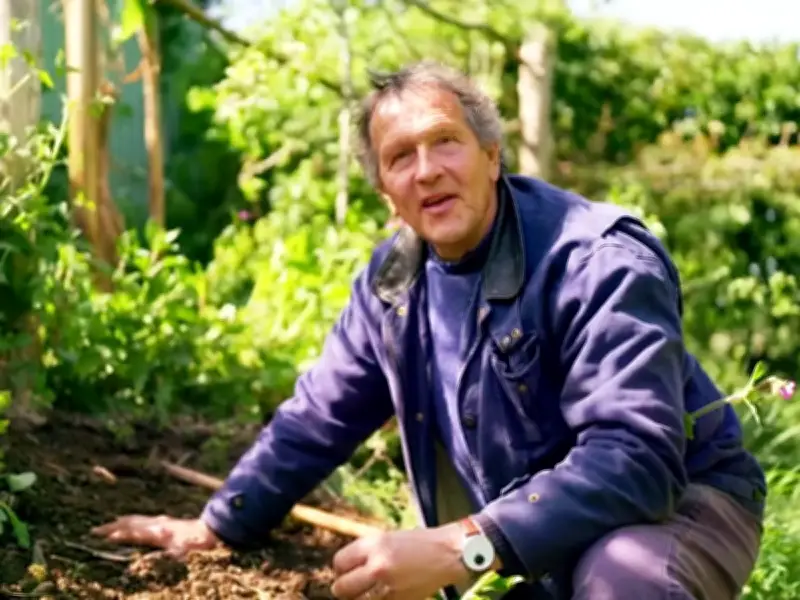
Gardening expert Monty Don says August is the ideal time to take cuttings, a step that can set your garden up for a thriving display next summer. August can quickly become one of the most significant months in any gardener's calendar, as it can set you up not only for autumn but also for the summer ahead next year.
Why August is the perfect time for cuttings
There is a lengthy list of tasks gardeners should be tackling, according to Monty Don, including trimming hedges and cutting back long grass. However, one particular job will put you well ahead of schedule: preparing your garden for summer 2027.
The gardening expert suggests that as the final weeks of summer approach, August presents the ideal opportunity to take cuttings. This means removing a small section of plant — whether a stem, leaf or root — from some of your healthy plants already flourishing in your garden.

While this might seem counterintuitive when it comes to encouraging growth, what you do with it afterwards determines precisely how it benefits your plants in the long run.
How to take and care for cuttings
Monty advises selecting healthy, strong growth from any flowers or flower buds and placing them in a polythene bag, ready to be potted straight away. You then need to remove all the flower leaves and any side shoots so that less than an inch of foliage remains. To give it the greatest chance of thriving, cut it with a sharp knife and plant it in a container filled ideally with gritty compost or even pure perlite.
He suggests: "As August progresses, semi-ripe cuttings taken from the current season's wood that has started to harden off are increasingly available and also increasingly likely to root quickly."
He noted that in order to develop healthy roots, the plant requires nothing more than the basics of oxygen and water. With this in mind, whatever vessel you choose to place the plant in must have adequate drainage to prevent it from becoming waterlogged.
Rooting, repotting and winter care
Once the roots have established themselves, you'll begin to notice signs of growth, and that's when it will need some nutritional input and transferring into a richer, healthier compost. This process will carry you through to late September or October.
As for its location, the plant needs a warm spot with plenty of light, though not in direct sunlight, as this can cause scorching. At this stage, it should be watered thoroughly and kept moist through regular misting to keep the leaves hydrated and stop them from drying out before the roots have fully developed.
Given the time of year, it will take approximately four to five weeks to produce viable roots directly from cuttings. The clearest indication that roots have formed is when fresh new growth becomes visible, or when you lift the pot and fine roots can be seen emerging from the bottom.
At that point, the cuttings can be removed from the pot, transferred into fresh compost and set aside over the winter months, before being picked up again and replanted come spring. This straightforward task can save considerable time and gives you something to look forward to when the warmer months return.
Although August is the optimum month for this task, as recommended by Monty, it is advisable to take cuttings during the morning hours. The plant retains the most moisture at this time of day, though taking cuttings in the evening is unlikely to significantly compromise their quality.