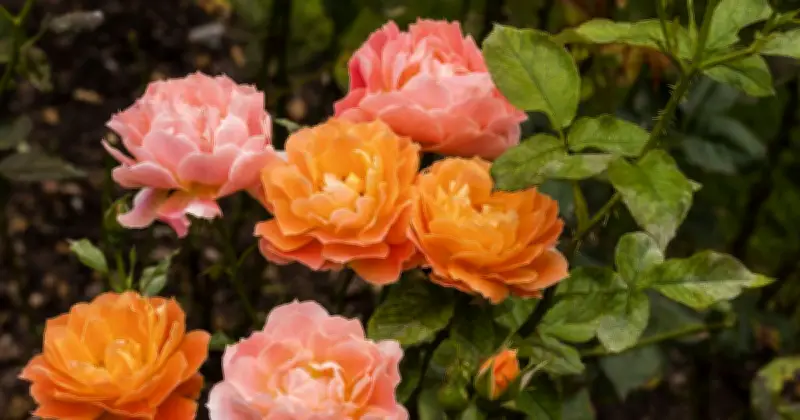
Monty Don has issued urgent advice for anyone with roses: July is the prime time to dead-head and prune rambling roses to prevent them from becoming a tangled mess with few flowers. The gardening expert emphasized that this task is “very important” to encourage repeat flowering and maintain plant health.
Why July Is Critical for Rambling Roses
Rambling roses, known for their vigorous growth and arching stems, often finish flowering in July, particularly in southern England. Varieties such as Wedding Day, Paul’s Himalayan Musk, and Felicite Perpetue should be pruned as soon as they stop blooming. Monty Don explained in his blog: “It is very important to keep dead-heading roses as the petals fade to encourage repeat flowering, but some roses have now finished all that they are going to do this year.”
How to Prune Rambling Roses Correctly
Monty advised that ramblers grown in trees can be left unpruned except for untidy growth. However, for trained roses, new shoots should be tied in or cut back as needed. He recommended: “Remove any damaged or very old shoots, cutting them right back to the ground.” For vertical supports, stems should be wound in a spiral; horizontal training produces more flowers the following year. Finally, tie in loose growth and mulch well.
Additional Tips from the RHS
The Royal Horticultural Society (RHS) also provides guidance on pruning rambling roses. While late summer is ideal for routine pruning, renovation can be done from late autumn to late winter. The RHS noted: “It is easier to see what you are doing when the rose is not in leaf, plus there is a better response from the rose, which should grow back vigorously the following spring.” They also advised that rose blindness—a lack of flowers—may result from incorrect pruning or unsuitable growing positions. Ramblers prefer well-drained, fertile soil and flower more abundantly in sun, but they tolerate shade and windy sites.
Key Takeaways for Gardeners
To keep rambling roses healthy and flowering profusely, prune them immediately after their July bloom cycle. Dead-head spent flowers, remove old or damaged wood, and train stems horizontally. Mulch and tie in loose growth. With proper care, these vigorous plants will reward gardeners with stunning displays year after year.