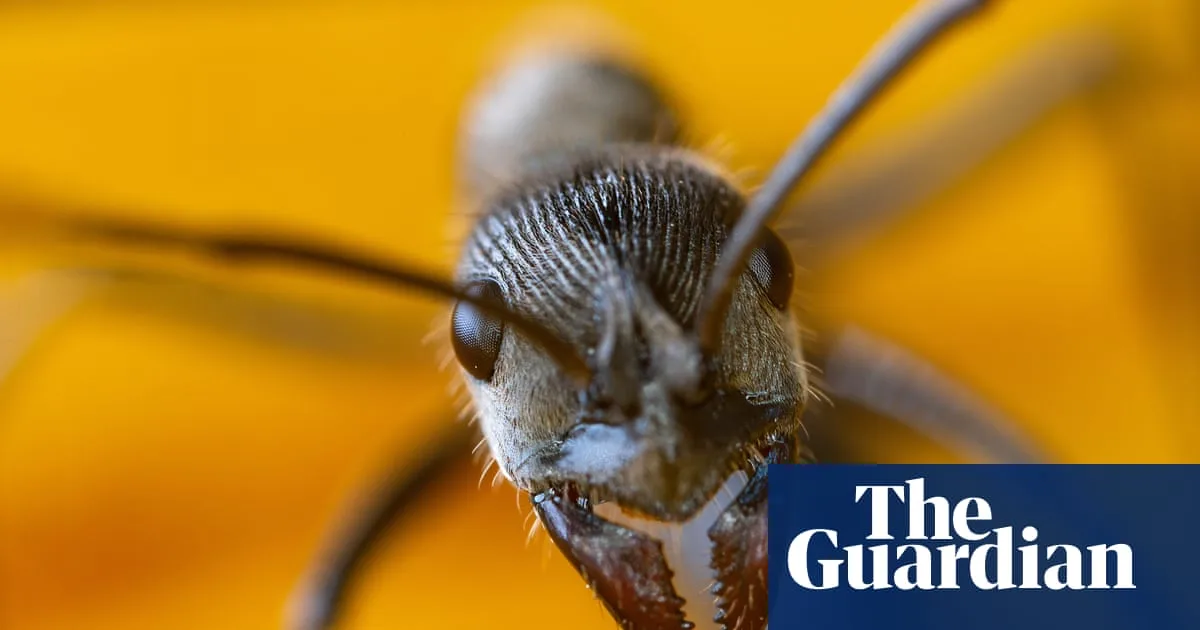
Two Belgian teenagers have pleaded guilty to wildlife piracy after being caught smuggling more than 5,000 ants from Kenya. Lornoy David and Seppe Lodewijckx, both 19, were arrested in April at a guesthouse in western Kenya, where authorities discovered the insects housed in test tubes and syringes. The ants were destined for exotic pet markets in Europe and Asia.
The case, alongside a separate incident involving 400 ants, has highlighted a growing trend in trafficking less conspicuous species. A statement from the Kenya Wildlife Service (KWS) described it as 'a shift in trafficking trends – from iconic large mammals to lesser-known yet ecologically critical species'. The seized ants include Messor cephalotes, a large red harvester ant highly prized by collectors.
The global ant trade has boomed in recent years, with enthusiasts keeping them in specialised habitats known as formicariums. One online vendor noted that sales volumes have grown almost every year, calling the hobby 'surprisingly therapeutic'. However, scientists warn that the trade poses significant biodiversity risks, as ants introduced outside their native range could become invasive.
KWS emphasised that illegal exportation undermines Kenya's rights over its biodiversity and harms local ecosystems. Entomologist Dino Martins explained that harvester ants are vital seed dispersers in the African savannah and a food source for species such as aardvarks and pangolins. The two teenagers remain in custody pending a sentencing report on 23 April.