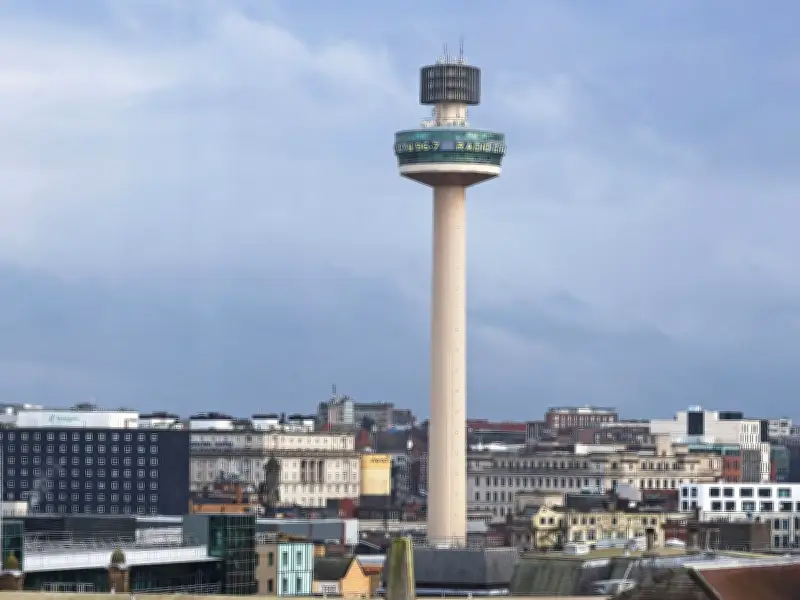
Liverpool's suburb names carry origins from Old Norse, Old English, and Scandinavian words, often reflecting landscape features, livestock, or even a pub. The Domesday Book records several of these names.
Aigburth, Allerton, and Anfield: Natural Features
Aigburth means "oak tree hill" from Old Norse "Eikiberg," dating to at least the 13th century and growing around a monastery. Allerton means "town of Alder trees" from Old English "alder tun," becoming Alretune by 1086 and Allerton by 1292, later a home for wealthy merchants. Anfield means "field on a slope" from Middle English "hange" and Old English "feld," starting as Hongfield in the 1600s and used for cattle grazing and quarrying before industrial revolution terraces.
Childwall, Croxteth, and Dingle: Streams and Viking Landings
Childwall means "stream of the children" or of the name Cilda, recorded as Cildeuuelle in the Domesday Book and Childewalle in 1212. Croxteth comes from Old Norse "Croc" and Old English "staep," meaning "Croc's landing place," known as Crocstad in 1257 and Croxsath by 1297, with Vikings settling in the ninth century. Dingle comes from Middle English "Dingyll" meaning deep dell, with medieval origins and growth in the 19th century alongside docks.
Everton, Fazakerley, and Garston: Livestock and Boundaries
Everton means "pig enclosure" or "Eofor's enclosure" from Old English "eofor," once called Euretone and Evretona by 1094, known for cattle-grazing and becoming independent in the 17th century. Fazakerley comes from Old English "Fas" and "Leah" meaning "woodland near a boundary field," recorded as Fasakerlegh by 1277 and first referenced in family records of Henry and Robert de Fazakerley. Garston comes from Old English "great" and "stan" meaning "the great stone or grazing town," called Gerstan in 1094 and Garston by 1265, with prehistoric and Roman activity and a fishing spot for salmon, whitebait, and sturgeon.
Kensington, Kirkdale, and Old Swan: Coaching and Church
Kensington takes its name from the road, thought to be from the London Kensington, growing along the coach road to Prescot initially for wealthy merchants. Kirkdale means "a valley with its own church" from Old Scandinavian "kirkia" and "dalr," called Kirkedale by 1185, owned by the Moore family whose Bank Hall was demolished in the 1770s. Old Swan dates from the Old Swan Inn in the 1820s, remaining rural until the 19th century.
Speke, Toxteth, and Tuebrook: Norse and Streams
Speke comes from Old English "spaec" meaning dry twigs or brushwood, recorded in the Domesday Book and largely agricultural until building from the 1930s. Toxteth means "Toki's landing place" from Old Scandinavian Toki and Old Norse "stod," once Stochestede and Tokestath by 1212, serving as a hunting park for King John in 1204. Tuebrook is named after Tew Brook stream, with Tue Brook House being Liverpool's oldest dated house, mostly open fields in the 1840s.
Walton, Wavertree, West Derby, and Woolton: Enclosures and Deer
Walton means "wooden enclosure" from Old English "Wald" and "Tun," becoming Walton by 1305, with Walton-on-the-Hill church dating to the late 11th century and serving as Liverpool's mother church until 1699. Wavertree means "wavering tree" possibly referring to aspen trees, from Old English "waefre" and "treow," recorded as Wauretreu in the Domesday Book, and had a sandstone quarry in-filled in the 1870s. West Derby comes from Old Scandinavian "diurby" meaning a farmstead where deer are seen, with "West" added to distinguish from Derbyshire, described in the Domesday Book as a Royal Manor of Edward the Confessor. Woolton means "Wulfa's enclosure" from Old Scandinavian Wulfa and "tun," recorded as Uluentune in the Domesday Book, consisting of Much and Little Woolton.
You can find more information about these and other parts of Liverpool in the full Liverpool Historic Settlement Study report.