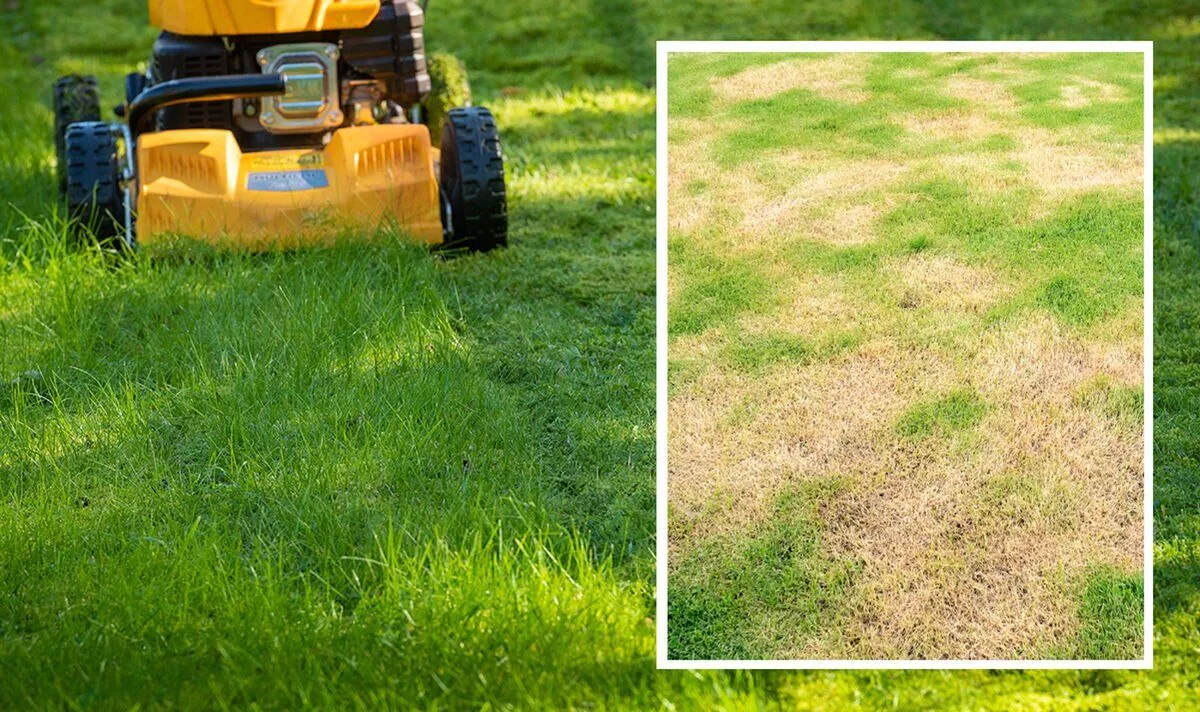
As summer approaches and gardens begin to bloom, unsightly brown patches on the lawn can spoil the overall appearance of an otherwise healthy outdoor space. According to Jonathan Hill, sales director at turf supplier Rolawn, these discoloured areas can appear overnight and are often caused by fungal disease, insects, animal urine, compaction, or even spills of petrol, oil or lawn fertiliser.
Hill explained that fungal turf diseases typically start as palm-sized patches, around 75mm across, and can spread up to 600mm in diameter. They are usually linked to damp conditions and often become visible after wet weather, particularly during prolonged still periods with high or low temperatures. He noted that these are generally foliar diseases affecting the leaf and are unlikely to kill the grass plants themselves.
To determine whether insects are responsible, Hill advised using a fork or spade to inspect beneath the affected patch for grubs, maggots, flies or beetles. While one or two insects are normal, a dense gathering of them is likely to be the cause. For fungal issues, he said a change in weather will usually prevent the disease from spreading, and healthy turf will recover relatively quickly. If needed, seed and sifted topsoil can be used for patch repairs, with fungicides recommended only as a last resort.
For brown patches caused by animal urine, Hill emphasised the importance of acting quickly by soaking the area with plenty of fresh water to dilute the urine and prevent serious damage. He added that most insects, with the exception of ants, will hatch and fly off naturally, after which the lawn can be repaired either with turf or by reseeding.
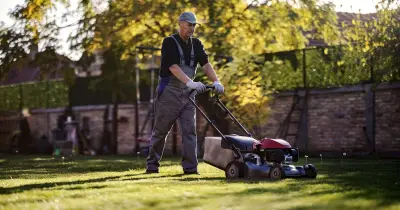
Recovery times depend on the health of the lawn. In May, when turf is growing aggressively, recovery should be possible within weeks. Seeded repairs can take around six weeks, while turf repair is virtually instant. Hill recommended a regular maintenance routine, including mowing, appropriate feeding, and ensuring light and air reach the surface of the lawn, to prevent brown patches from reappearing.