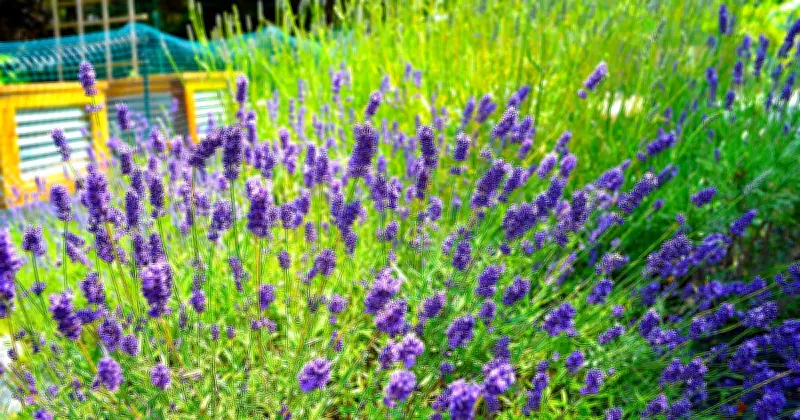
Lavender plants will be healthier next year if gardeners avoid three simple mistakes in November, according to the gardening enthusiasts at This Is My Garden. Hard pruning, fertilising and mulching can all "create problems" for lavender as it prepares for winter.
November is the month when lavender stops flowering and its leaves turn greyer. While the plant may look as though it is waiting for attention, the experts advise against treating it like most other perennials at this time of year.
Stop Hard Pruning Lavender in November
One of the "biggest mistakes" gardeners make is cutting lavender back hard during autumn flowerbed cleanup. The experts warned that cutting that framework down can "leave the plant struggling to recover".
Even during the growing season, lavender often struggles to regrow from bare, mature wood. In late autumn, it has even less time to recover before freezing weather sets in. A severe trim during a warm spell can also prompt tender new growth that has not had time to harden off, leaving it more susceptible to damage when temperatures suddenly fall.
Instead, spring is the "best time" to evaluate lavender and decide what needs pruning. Once growth is visible, gardeners should remove winter-damaged portions and shape the plant while keeping healthy leafy growth below the cuts.
Hold Off on Fertiliser in November
A second common mistake is giving lavender a late-season feeding in hopes of helping it survive winter. The gardeners explained that lavender generally "performs best without rich soil or heavy feeding", so adding fertiliser when growth is slowing does not automatically create a stronger plant.
They warned, "Too much fertiliser, especially nitrogen, can encourage leafy growth at the expense of flowers. Excessive feeding can also produce soft growth that is more vulnerable to cold injury. Late autumn is a particularly poor time to encourage that response. Your lavender should be slowing down and adjusting to shorter days and colder temperatures."
Keep Mulch Off Your Lavender Plant in November
Mulching lavender at this time of year can also negatively affect the plant. Lavender roots need oxygen as well as moisture, and when soil stays saturated, roots struggle and become more vulnerable to rot.
The crown, where the stems meet the roots, also needs protection from prolonged dampness. Packing wet leaves or heavy mulch tightly around that area can hold moisture exactly where it is not wanted. The experts said, "A thick blanket that works well around another perennial may be a poor fit for lavender."