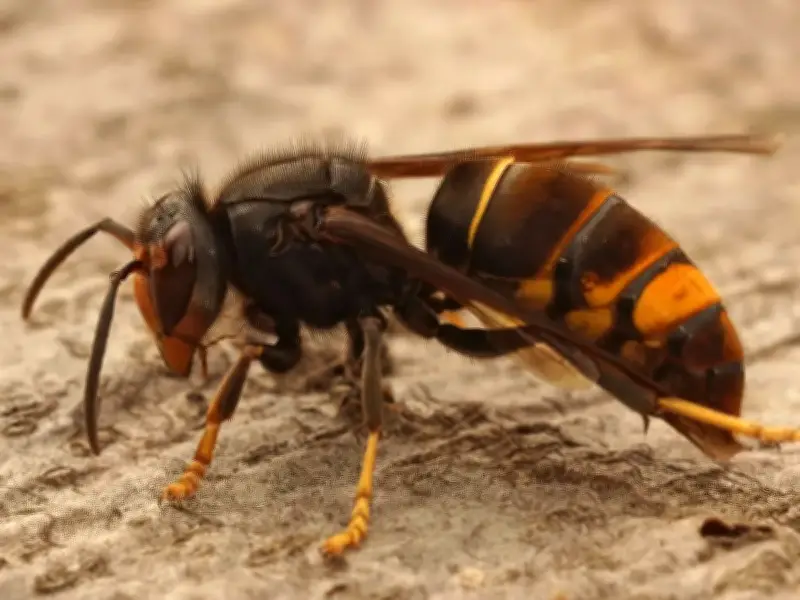
Spraying peppermint oil on garden furniture can keep wasps away for up to two weeks, according to DIY expert Ken Long, who shared the tip in a TikTok post. The method offers a straightforward way for Welsh residents to enjoy their outdoor spaces without insect interruptions.
In the post, Long said wasps were "everywhere" around his home, but the solution is simple. "Grab some peppermint oil and spray it on your outdoor furniture. If you don't have peppermint, you can use lemongrass or clove oil," he explained. "Wasps hate the smell and it will keep them away for up to two weeks. If you see them coming back, just spray the furniture again."
Safety precautions for pets
While peppermint oil acts as a natural wasp repellent, these concentrated substances can be harmful to dogs. They could trigger skin irritation, vomiting, diarrhoea, and breathing difficulties if inhaled, licked, or applied directly to the skin.

One alternative would be to apply the spray somewhere inaccessible to pets. You could also dilute just a few drops of peppermint oil with plenty of water and washing-up liquid.
Understanding wasp behaviour
Wasp behaviour tends to shift as the seasons change. During early summer, worker wasps provide protein in the form of insects to their larvae, which in turn produces a sugary liquid. However, as the season progresses, the queen ceases laying eggs and the larvae disappear, leaving thousands of adult workers without a food source.
Hungry and directionless, these workers abandon the nest in search of sugar, drawing them towards sweet foods, fizzy drinks, beer gardens and bins. In autumn, wasps frequently feed on rotting, fermenting fruit – which is why they may linger in greater numbers at certain points throughout the year.
Practical deterrents and professional help
You can deter wasps by keeping outdoor food covered. Make sure outdoor bins are firmly sealed and positioned well away from seating areas. Refrain from swatting at them, as sudden movements can provoke a defensive sting – stay composed and carefully brush them aside.
While keeping wasps at bay can be straightforward in some circumstances, if you have an active nest on your property, it is essential to seek professional assistance.