
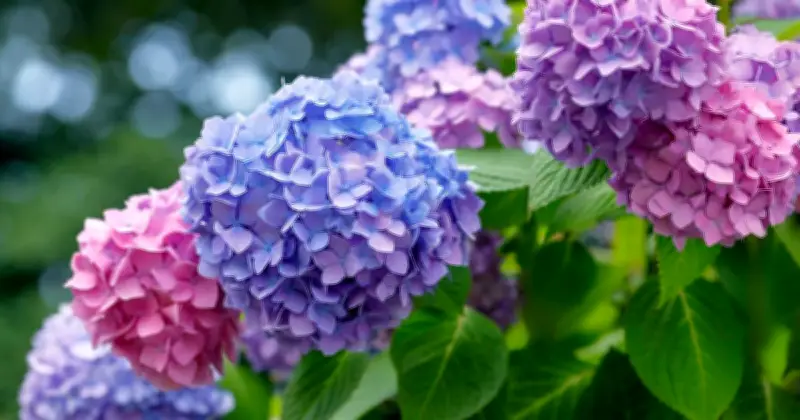
Hydrangeas are a beloved staple in British gardens, cherished for their vibrant, eye-catching petals in shades of pink, purple, white and blue. Yet as most keen gardeners will attest, maintaining their vivid colour and healthy blooms throughout summer requires proper attention and care. Among the most popular varieties are the mophead and lacecap hydrangeas. These shrubs are celebrated for their impressive, large flower heads, which make them a striking focal point in any outdoor space. Yet their blooms can rapidly lose their vibrancy or wither if growing conditions aren't ideal.
Numerous gardeners also encounter issues with feeble blooms, sagging foliage and flowers fading prematurely during the warmer months. Hydrangeas can prove sensitive to fluctuations in temperature, sunlight exposure and soil quality. Fortunately, a gardening specialist at Hydrangea.com has shared three essential tips to ensure your blooms remain lush and colourful throughout the summer season.
How to Care for Hydrangeas in Summer
1. You Are Not Watering Enough
Hydrangeas derive their name from the Ancient Greek words for 'water vessel', hydor and angos. It's an apt description, as these flowers thrive on water and can become particularly parched, especially during hot summer days. The expert shared: 'Water deeply to keep the soil moist but not wet, as hydrangeas are not very tolerant of standing water. Yellowing foliage typically indicates that your hydrangea shrub is overwatered, and you may need to adjust your watering schedule or irrigation.' If the soil remains damp to the touch, hold off on watering and reassess after a few days. Hydrangeas flourish in soil that retains slight moisture while offering good drainage.
2. You May Need an Extra Boost
Hydrangeas do not always require fertiliser, but they can benefit from an occasional feed. According to BBC Gardeners' World, a well-balanced fertiliser or one specially formulated for flowering shrubs is the most suitable option. For blue hydrangeas, specialists recommend using a low-phosphorus, high-potassium fertiliser to help preserve the blue flower colour. The expert at Hydrangeas also advised: 'You can reapply (fertiliser) during midsummer to promote reblooming; however, this is most often unnecessary. Keep in mind that applying too much fertiliser to your hydrangeas will encourage them to grow quickly, but with very weak stems. Be sure not to overfertilize your shrubs!'
3. Cut Your Flowers
The garden expert went on to admit: 'It can't be all work and no play! One of the best parts of enjoying your hydrangeas during the summer is cutting the beautiful blooms to enjoy in cut flower arrangements. Be aware of whether your hydrangea blooms on old or new wood, as well as the timing of when you cut your flowers.' Hydrangeas that bloom on new wood produce flowers on fresh stems each year, meaning they can be pruned following flowering without any impact on future blooms. Conversely, hydrangeas that bloom on old wood develop the following year's buds shortly after flowering, which means they ought to be pruned promptly once their blooms begin to fade.
By following these simple tasks, especially the one simple step in June, you can ensure your hydrangeas produce abundant flowers even in hot summer weather.




