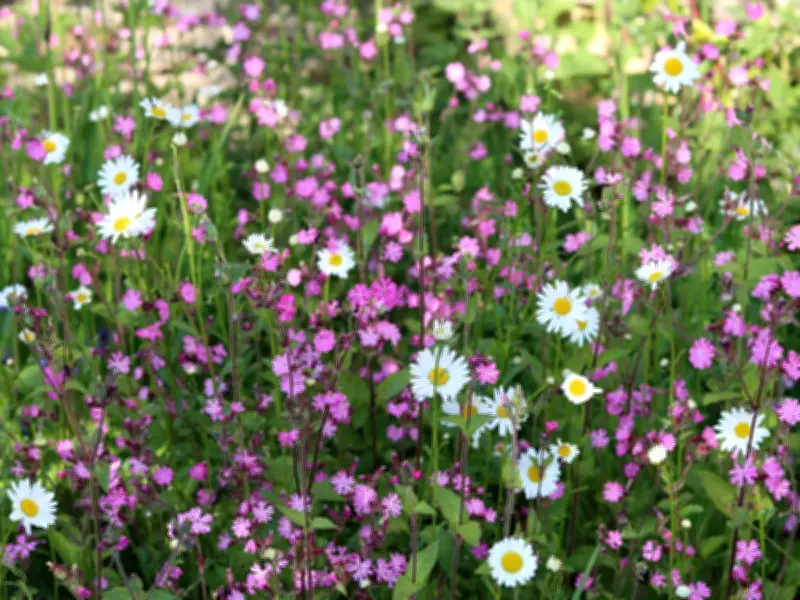
Gardeners' World presenter Joe Swift has urged gardeners to plant daisies to tackle what he describes as the "August colour gap" as Britain experiences its fourth heatwave in two months.
Writing in the Daily Telegraph, Swift said that while gardens are usually at their most colourful in spring and early summer, by August they can become "dry, dormant and bleached out".
What is the August colour gap?
The horticulture specialist explained that with temperatures repeatedly soaring past 30C, many gardens across the country have faded to beige. Substantial parts of Britain are also enduring drought conditions, with hosepipe bans affecting numerous households.
Swift noted that it is "too soon" for autumn shades to emerge, which is where daisies come in.
Why daisies?
In his column, Swift recommended daisies as the plant family best suited to bridging the gap. He specifically highlighted North American natives such as black-eyed Susan and coneflower, which are classed as American prairie plants.
He explained: "One way to help combat the gap is to grow daisies. Those native to North America, such as black-eyed Susan and coneflower, are also classed as American prairie plants and work wonderfully alongside ornamental grasses in a loose, naturalistic style. Once established, some daisy species (especially those two) are drought-tolerant, which makes them a good choice considering the way British summers are heading."
Attracting pollinators
Swift, who has been part of the Gardeners' World team since 1998, also highlighted the benefits of daisies for pollinators. He added: "Their open, honest flowers are easily accessible to pollinators, with the common characteristics being ray florets, petallike structures arranged around a centre (capitula) of disc florets, where the small tubular flowers are clustered."
Lawn care during a heatwave
Meanwhile, another gardening specialist has warned that homeowners could be making a mistake with their lawns during the hot weather. John Cho, founder of MyCozyPlant, told Good Housekeeping that grass should not be cut too short.
He said: "Taller grass blades act as a natural shade for the soil. If you cut it too short right before a hot spell, the sun bakes the dirt and damages the roots. If you do cut your lawn just before a heatwave, it's important that you do so at the highest height setting."
Specialists acknowledge that while a lawn may look slightly unkempt for a while, longer grass will ultimately safeguard its health.
Watering advice
Proper watering can also help, though experts stress that timing and quantity matter. Hugh Barlow, head of commercial at East Riding Horticulture, said: "In dry weather, resist the temptation to water your lawn daily. Established lawns benefit the most from infrequent, deep watering. Water once or twice a week and aim to give your grass approximately 25mm of water in total. Deep and infrequent watering encourages the grass roots to grow deeper into the soil in search of moisture, which can improve the overall health of your lawn."