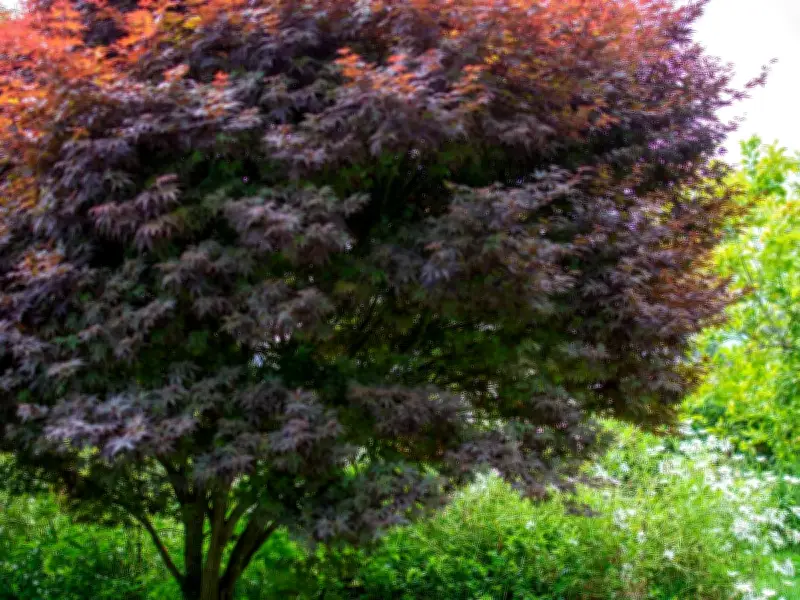
Japanese maples, also known as Acer trees, need careful care to stay healthy through autumn and winter, with one natural soil addition playing a vital role. Mulch protects the roots from summer heat and winter cold while reducing how often the tree needs watering.
Why mulch is essential for Japanese maples
The issue stems from Japanese maples being exceptionally heat-sensitive. With roots that lie near the soil surface, they are prone to drying out and can react poorly when fertiliser is applied during sweltering conditions. Standard plant feeds often contain salts and compounds that can burn both roots and leaves when temperatures rise and the plant is already struggling.
According to specialists at Mendocino Maples Nursery, early May marks the final opportunity to safely fertilise a Japanese maple, after which attention should shift towards maintaining a cool, damp root area rather than encouraging fresh growth. Their advice is to add mulch to the earth.

They noted: "Mulch is a good friend of your maple. Mulch protects the roots from the heat in summer, the cold in winter and reduces the frequency of watering."
How mulch mimics natural conditions
In their natural habitat, Japanese maples flourish in forest-like settings where the ground is blanketed with fallen leaves. This organic layer functions as insulation, helping soil hold onto water while protecting delicate shallow roots from harsh sun exposure.
Mulching replicates these natural conditions in British gardens. A covering of organic matter helps the ground hold moisture, minimises temperature fluctuations around the roots and lessens the chance of the tree becoming stressed during extended periods of warm weather. As time passes, organic mulch decomposes, enriching the soil and promoting healthier development without needing additional fertiliser.
How to apply mulch correctly
To mulch successfully, concentrate on safeguarding the roots while preventing moisture accumulation against the trunk. Begin by removing any weeds, grass or debris surrounding the base so the mulch can rest directly on the earth.
Next, spread the mulch in a wide circle over the root zone, but maintain a gap around the trunk so none of the material touches the bark, as trapped dampness can cause rot. A covering approximately 5-8cm thick is typically sufficient to insulate the ground and help it retain moisture, and it should be watered well afterwards to help it settle and hydrate the earth beneath.
Watering techniques for healthy maples
The way you water your Japanese Maple is just as crucial as mulching. According to Japanese Maples and Conifers, the optimum method for watering these trees is a thorough, deep soak — several minutes with a hose or a longer spell with a sprinkler for those planted in the ground.
Deep watering prompts roots to delve further into the soil, bolstering the tree's resistance to drought. For Japanese maples grown in pots, water until it seeps out from the base of the container, making certain the whole root system receives adequate hydration.
The horticultural specialists noted: "The time of day you water can also be important. Watering your Japanese maples early in the morning is ideal. This allows the trees to absorb moisture before the heat of the day sets in, reducing the risk of evaporation. Early morning watering also helps prevent fungal diseases, which can thrive in moist conditions during the cooler evening hours."
They added: "When watering Japanese Maples, avoid using overhead sprinklers that wet the leaves if you can help it. Wet foliage can lead to fungal diseases and leaf scorch in the hot sun. Instead, use a soaker hose or drip irrigation system that delivers water directly to the root zone, ensuring efficient water use. Japanese maples are only going to drink water from the roots, so there is no benefit from watering the leaves."
With the roots protected and the ground remaining cooler and moister, Japanese maples are much more likely to maintain their foliage looking its finest through late summer and into autumn — without the dangers that can accompany feeding during hot weather.