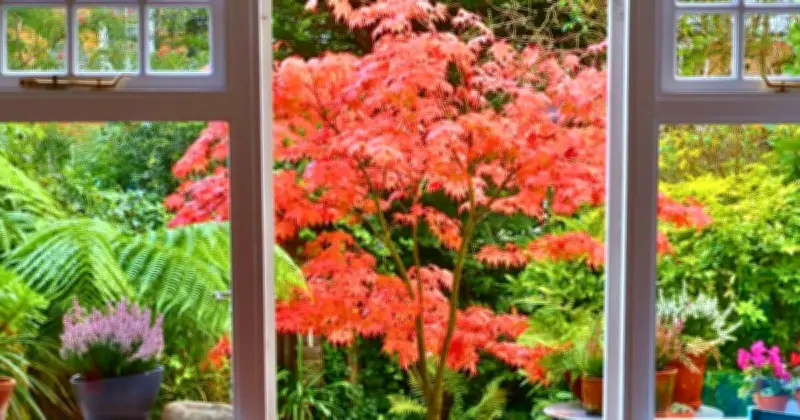
Japanese maples will be healthier and prettier if gardeners place one natural item in the soil around them: mulch. As autumn begins, these acer trees undergo a striking transformation, displaying a brilliant array of fall colours, and September and October are ideal months for applying mulch, according to the gardening pros at Maple Ridge Nursery.
“Proper care practices like mulching contribute to maintaining the vibrancy of your Japanese maples' fall colour. This can be vital for quality colour in the foliage,” they said.
Why mulch now
Gardening experts at West Coast Gardens also recommend mulching at this time. “Whether you are planting a new Japanese maple or caring for an established tree, you'll want to add a layer of composted mulch or another organic material around the base of your tree in autumn,” they said.
Mulch is a material used to cover the soil surface, offering benefits such as retaining moisture, suppressing weeds, and keeping soil temperatures stable. Besides protecting plants, mulch enhances the appearance of garden beds and landscapes. While some types add nutrients to the soil, all varieties help prevent frost heaving in winter and support plant root health.
Types of mulch
Mulches can be aesthetic or functional and fall into two categories: organic and inorganic. Organic mulch is not made of anything synthetic and is the best option for adding beneficial nutrients to the garden. It can suppress weeds, but it doesn't permanently block them. Some of the best organic mulches include homemade compost, grass clippings, and fallen leaves.
Inorganic mulch is a synthetic material. It is the best option for entirely blocking weeds and retaining water. It lasts longer than organic mulch but doesn't add nutrients to the soil.
How to mulch Japanese maples
To get started, take time to do a spot of weeding, gently teasing out any weeds growing around the base. Then, deep watering will go a long way to ensuring success. Watering at this stage is important, and ensuring the ground is moist before mulching will help to seal moisture in the soil once the thick layer is applied.
Following this, apply a mulch depth of around 20cm is ideal, but a shallower depth will still aid plant growth and limit weed growth. When mulching around Japanese maples or any other trees, it's really important to keep the mulch away from the trunk and bark.
The experts pointed out that the area above the graft site (where the roots connect to the trunk) can't handle the constant moisture that mulch holds onto. This persistent dampness can damage the cambial layer, which is responsible for producing new bark on the outside and new wood on the inside, and ultimately kill the tree.