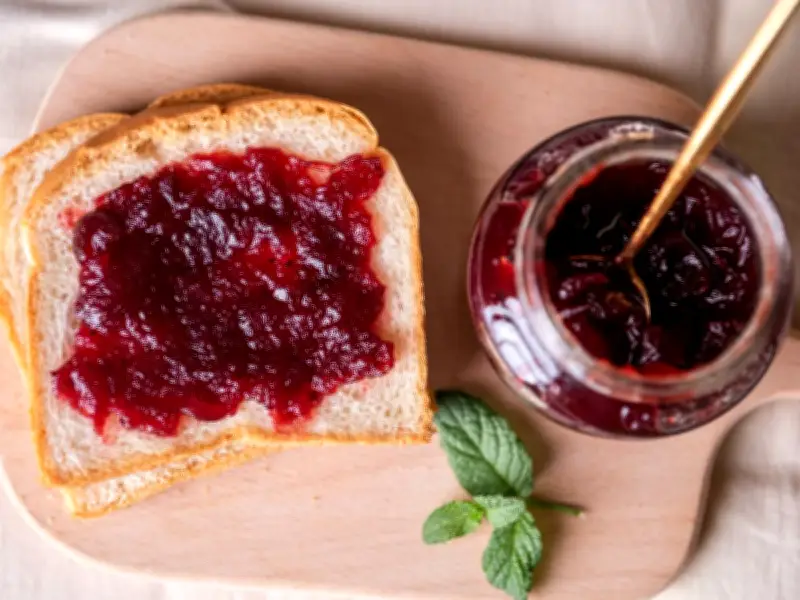
Fruit spreads are a staple in many households across the UK, but distinguishing between jams, preserves, and conserves can be challenging. While each can be used on toast, in baking, or with cheese, they have unique characteristics, textures, and production methods that set them apart.
What Is Jam?
Jam is one of the most widely enjoyed fruit preserves. It is made by cooking crushed or chopped fruit with sugar until the mixture thickens. During cooking, the fruit breaks down, resulting in a smooth, spreadable texture with small fruit pieces evenly distributed. Most jams rely on the fruit's natural pectin, though commercial pectin may be added to ensure proper setting. Jam is commonly eaten on toast, scones, crumpets, and sandwiches, and is also used in baking and desserts.
What Are Preserves?
Preserves contain larger fruit pieces or whole small fruits suspended in a thick syrup or jelly-like base. The fruit retains much of its original form, giving preserves a chunkier consistency and a more pronounced fruity flavour. Because the fruit stays mostly whole, preserves are often considered more indulgent than jam. They are excellent spooned over Greek yoghurt, paired with cheese, or spread on buttered toast.
What Are Conserves?
Conserves are generally more complex, blending two or more fruit varieties and often incorporating nuts, dried fruits, or spices for enhanced flavour and texture. They are cooked more slowly than jam, allowing the fruit pieces to remain separate while developing a rich, thick consistency. Their refined flavour makes conserves a favoured choice for cheese boards, roast meats, and pâtés, and they are equally delicious on fresh bread or pastries.
Choosing the Right Spread
The ideal choice depends on how you intend to use it. For a smooth spread for breakfast or baking, jam is usually the best option. If you appreciate substantial chunks of fruit and a natural texture, preserves are a superb alternative. For bold flavours, conserves are often the best selection.