
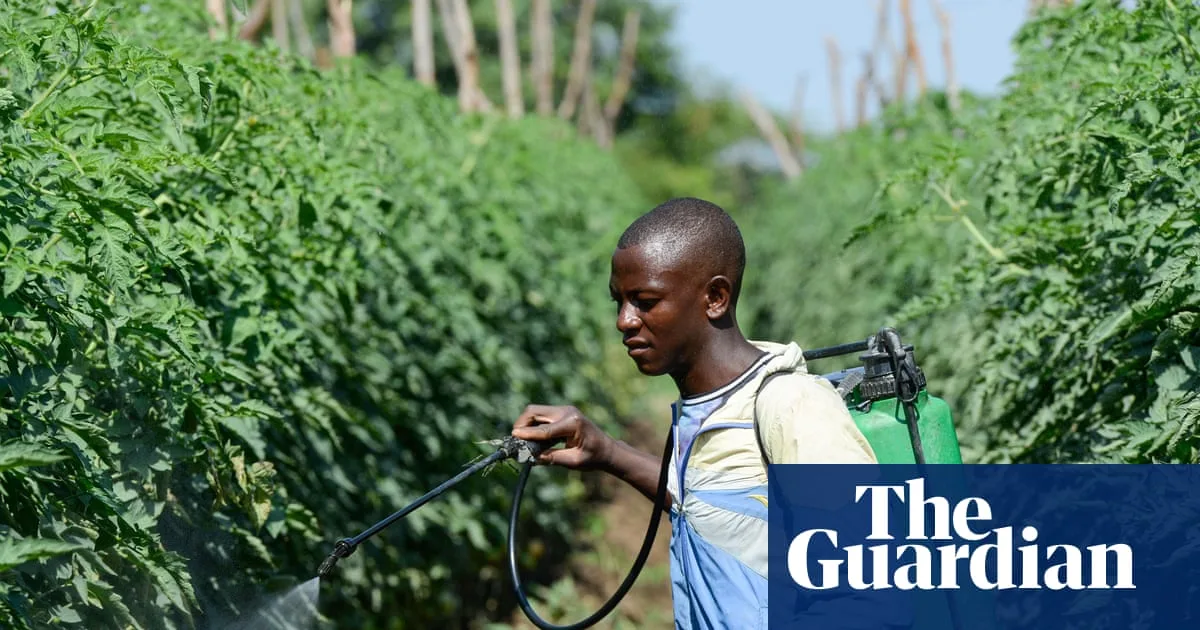
African countries are facing severe disruptions to fertiliser supplies due to the conflict in the Middle East, experts warn. The war has significantly impacted trade through the Strait of Hormuz, a crucial shipping route for fertiliser produced in the Gulf region. Many African nations depend heavily on these imports, with Sudan receiving 54% of its fertiliser via this route, while Somalia and Kenya rely on it for 30% and 26% respectively, according to a UN report.
Fertiliser prices have surged since the conflict began, raising concerns about increased food costs and cost-of-living pressures, particularly for vulnerable populations. The UN Conference on Trade and Development (Unctad) notes that African economies are especially susceptible due to their reliance on foreign markets, volatile commodity exports, high debt, and weak infrastructure. Governments already struggling with budgetary pressures face heightened uncertainty.
Analysts highlight the acute impact of rising oil and gas prices, which are also affected by the conflict. Jervin Naidoo of Oxford Economics Africa stated, “Any disruptions, any shocks really affect all of us.” XN Iraki, a professor at the University of Nairobi, noted that most Africans work in the informal sector with uncertain incomes, making them particularly vulnerable. Rama Yade of the Atlantic Council warned that higher oil prices could force governments to increase subsidies or pass costs to consumers, potentially triggering social and political pressure.
In response, several African countries are taking precautionary measures. Kenya’s energy minister, Opiyo Wandayi, confirmed scheduled petroleum imports through April to ensure uninterrupted supply. Tanzania’s president, Samia Suluhu Hassan, has directed the energy ministry to strengthen strategic fuel reserves. Ethiopia has introduced a special fuel subsidy to cushion the economic shock, while Zambia has warned against fuel hoarding.
Naidoo cautioned that while subsidies may provide short-term relief, they may not be sufficient in the long term. The continent faced similar challenges during Russia’s invasion of Ukraine in 2022. On the supply side, the conflict is also disrupting African exports to the Middle East; Kenya’s agriculture minister, Mutahi Kagwe, reported that meat, tea, and other food exports have been affected.




