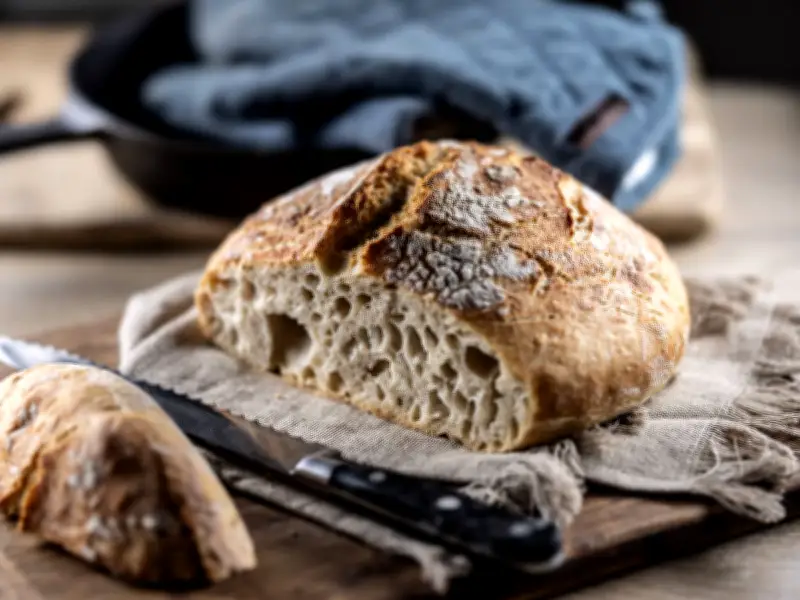
If you have ever picked up a packet of yeast, you will know they come in two varieties: active and instant. Few things can beat the aroma of a freshly baked loaf filling your home. Baking bread is surprisingly straightforward, and the reward far outweighs the effort involved.
Understanding the Two Types of Yeast
One of the most vital elements in crafting the perfect loaf is the yeast — but which type should you be reaching for? There are two varieties of yeast commonly used in bread and dough recipes. These are active and instant yeasts. Both work in much the same way, giving your bread that subtly fermented flavour and a satisfying, airy rise.
Yeast is a single-cell organism that requires food, moisture and warmth to flourish. It feeds on sugar and starch — a process known as fermentation — and produces carbon dioxide and alcohol. It is the release of carbon dioxide that causes bread to rise.
Active Yeast: Need for Activation
Active yeast refers to any form of dry yeast that must be activated prior to use. Active yeast needs to be combined with warm water and sugar before being incorporated into your dry ingredients, allowing the yeast to "bloom". This is because the organisms within active yeast remain dormant until they are brought to life by the water and sugar. If your active yeast has been sitting in the cupboard for some time between baking sessions and fails to activate properly, it may well have passed its best. You can spot the difference easily enough, as expired active yeast will not produce light, foamy bubbles when added to water.
Instant Yeast: Ready to Use
Instant yeast, on the other hand, is ready to go straight from the packet. Instant yeast features smaller, finer granules and does not require dissolving in warm liquid beforehand; it can be mixed straight into your dry ingredients and will prove more quickly. Active yeast has a shorter shelf life than instant yeast. Instant yeast can produce a lighter, airier loaf, which is ideal for a baker who is short on time.