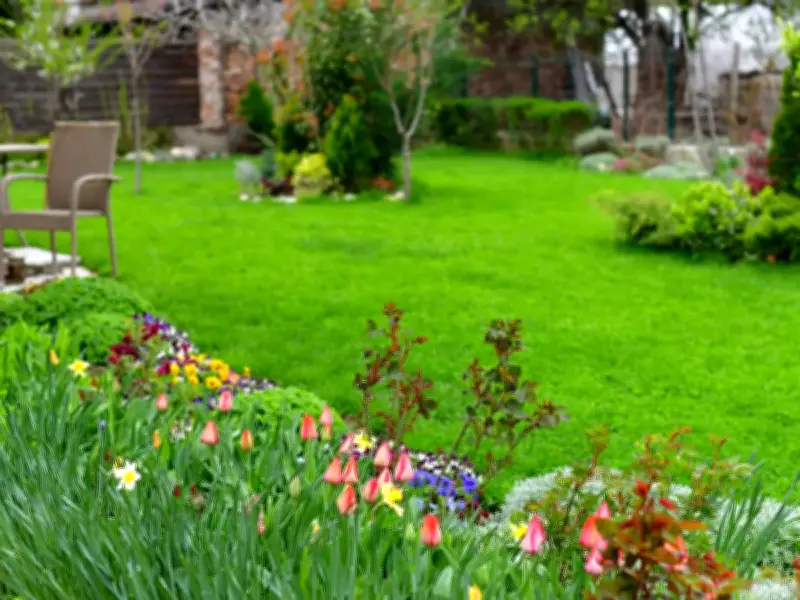
With all of Wales officially under drought status and numerous households subject to hosepipe restrictions, gardens and lawns have faced significant challenges. While grass possesses natural resilience, extended periods of heat combined with insufficient water can result in browning, uneven patches and increased pressure on root systems, whereas excessive watering may promote disease and superficial growth.
Many homeowners may turn to online platforms such as Reddit or TikTok seeking guidance on restoring their grass, but obtaining expert advice is crucial. With this in mind, Emily Green, home and garden specialist at Howarth Timber, outlines methods to help resurrect your lawn.
Allow your lawn to await rainfall
During hosepipe restrictions, there is no cause for alarm if your grass begins to appear brown. Grass possesses inherent resilience and will enter dormancy during extended dry spells, rather than perishing.

If watering your lawn remains permissible under the restrictions, use a watering can to provide it with a thorough soaking, or alternatively let natural rainfall restore it.
Aerate to promote healthy development
Compacted soil can hinder water and nutrients from reaching the roots, particularly during periods of intensive use. Aerate your lawn using a garden fork or dedicated lawn aerator, creating small holes distributed evenly across the surface to enhance drainage and air circulation.
Reseed thinning areas and use a seasonal lawn feed
Make the most of warm soil temperatures to restore bare or sparse patches. Reseeding during summer can prove effective throughout rainy periods while the young grass becomes established, contributing to a denser, more uniform lawn.
A summer lawn feed can help promote robust growth. Opt for slow release fertilisers that deliver consistent nutrition without stimulating weak, rapid growth that becomes more susceptible to subsequent drought.
Keep mowing consistent, but adjust the height
Once your grass begins growing again, ensure you mow regularly. During periods of vigorous growth you may need to mow every 5 to 7 days, while during hot, dry spells you can typically reduce this to every 10 to 14 days.
As a guideline, follow the 'one third rule' and never remove more than a third of the grass height in a single cut. Maintaining a slightly higher cut helps shade the soil, retain moisture and encourage stronger root development.