
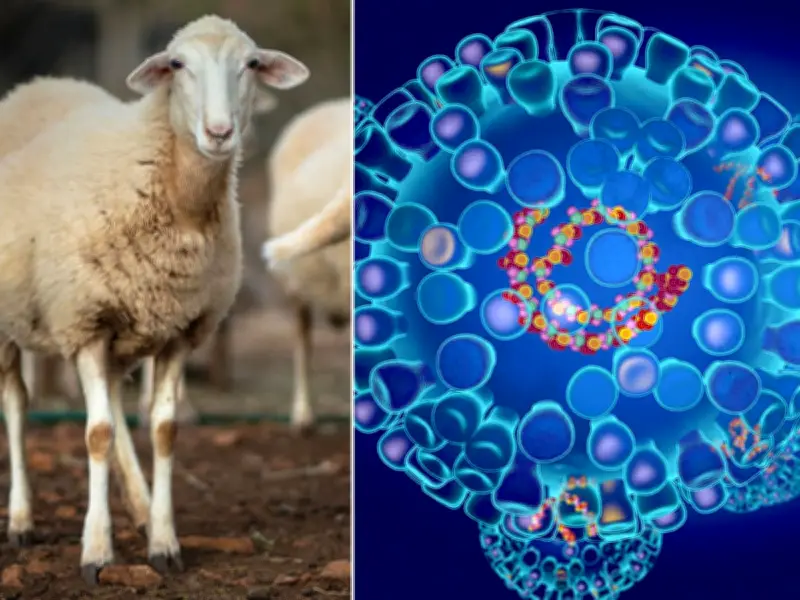
The endless summer heatwave is fueling an outbreak of a deadly sheep disease. High temperatures topping 30C are accelerating the surge of bluetongue, a potentially fatal illness spread by midges.
Rising Cases and Impact
The National Sheep Association said more than 590 cases of the killer virus were reported last week as farmers battle to save their flocks. It causes sheep tongues to swell and leads to a high fever - and in some cases death - with warmer weather increasing the threat to livestock.
The first cases were reported in Britain in 2006 but this summer’s high temperatures have caused the virus to replicate more rapidly, increasing the risk of infection.
Farmers Express Concern
National Farmers’ Union vice-president Robyn Munt said: “Bluetongue is continuing to spread at an alarming rate and is a significant concern for livestock farmers across the country. The disease is creating additional uncertainty and financial pressures for many businesses, with members doing everything possible to protect their animals.”
Bluetongue has no effect on humans, and the meat and milk from infected animals remain safe for consumption.
John McCormack, a sheep farmer near Exeter, said infections were spreading rapidly in the West Country with Government figures reporting 98 recorded cases in Devon alone since July.
Vaccine Availability
He said: “A farmer down the road in Camelford has lost a £2,000 ram. The sheep got bluetongue and lasted three days - and then it was dead.”
A vaccine for bluetongue is available and costs around £2.50 per dose but because of the speed of the outbreak farmers fear stocks could run low.
National Sheep Association chief exec Phil Stocker said: “As you would expect, calls on stocks of vaccines are increasing and stocks will be reducing, but we are assured that vaccine manufacturers are doing what they can to ensure demand can be met.”
Government Monitoring
Official figures from the Department for Environment, Food and Rural Affairs (Defra) recorded 29 new bluetongue infections across sheep and cattle on Aug 4 and 53 new cases on Aug 5.
A Defra spokesman added: “We recognise this is an incredibly difficult time for animal keepers who are on the frontline of this disease and we are monitoring the situation closely. Farmers should continue to be vigilant and monitor their animals frequently, reporting any suspicions of disease. Vaccination is the most effective method of control and we urge animal keepers to discuss this with their vet.”




