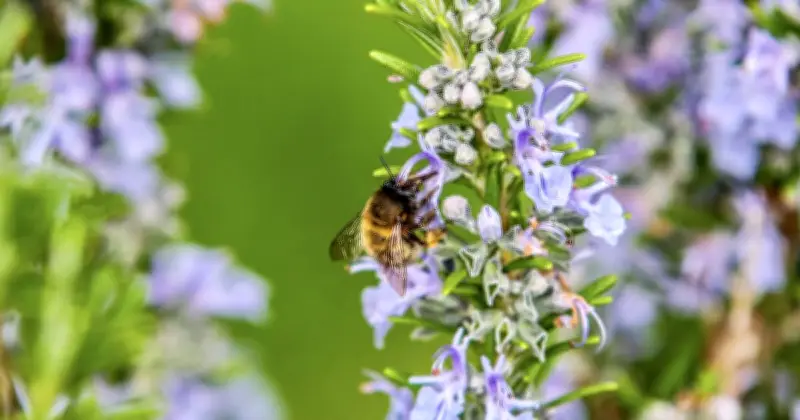
Adding gravel to the soil around lavender and rosemary can dramatically improve their health by mimicking the dry, rocky conditions of their Mediterranean home, according to gardening expert Amanda MacArthur from the Food Gardening Network.
Why woody herbs prefer poor soil
Woody herbs such as lavender and rosemary actually perform better in nutrient-deficient soil, unlike leafy herbs like basil, mint or parsley which benefit from feeding. Fertilisers can stress woody herbs, reducing their chances of surviving autumn as delicate new stems struggle in the cold.
Amanda explained: "This may not be the first thing you think of as mulch, but herbs like rosemary that come from Mediterranean climates love the drainage and the heat that gravel offers."

How gravel helps lavender and rosemary
Mulching is a straightforward technique where material is spread around a plant for safeguarding. During summer, bark is typically used to preserve soil moisture, but lavender and rosemary dislike waterlogged soil, which increases their vulnerability to root rot and other fungal ailments.
Gravel improves drainage and the pieces reflect sunlight, heating the soil and replicating the dry, rocky environments these herbs naturally grow in. This creates a healthier, more vigorous environment that encourages stronger roots, tougher leaves and enhanced flower production.
Extra benefits and pruning tips
The method also boosts essential oil concentrations, making lavender flowers more fragrant and rosemary leaves fuller with a more intense flavour. Whether grown in containers or the garden, gravel can substantially enhance summer growing conditions for both herbs.
Lavender should be pruned yearly in late summer, according to the RHS. Plants should be trimmed after flowering, removing spent flower stalks and about an inch of leaf growth. However, the RHS warns: "Lavender does not break new growth easily from old stems so don't cut back into the woody stems."
Rosemary also needs pruning to prevent it becoming leggy, wooden and bare. The RHS recommends trimming the herb plant "lightly" every year after flowering, while avoiding cutting into the woody stems.